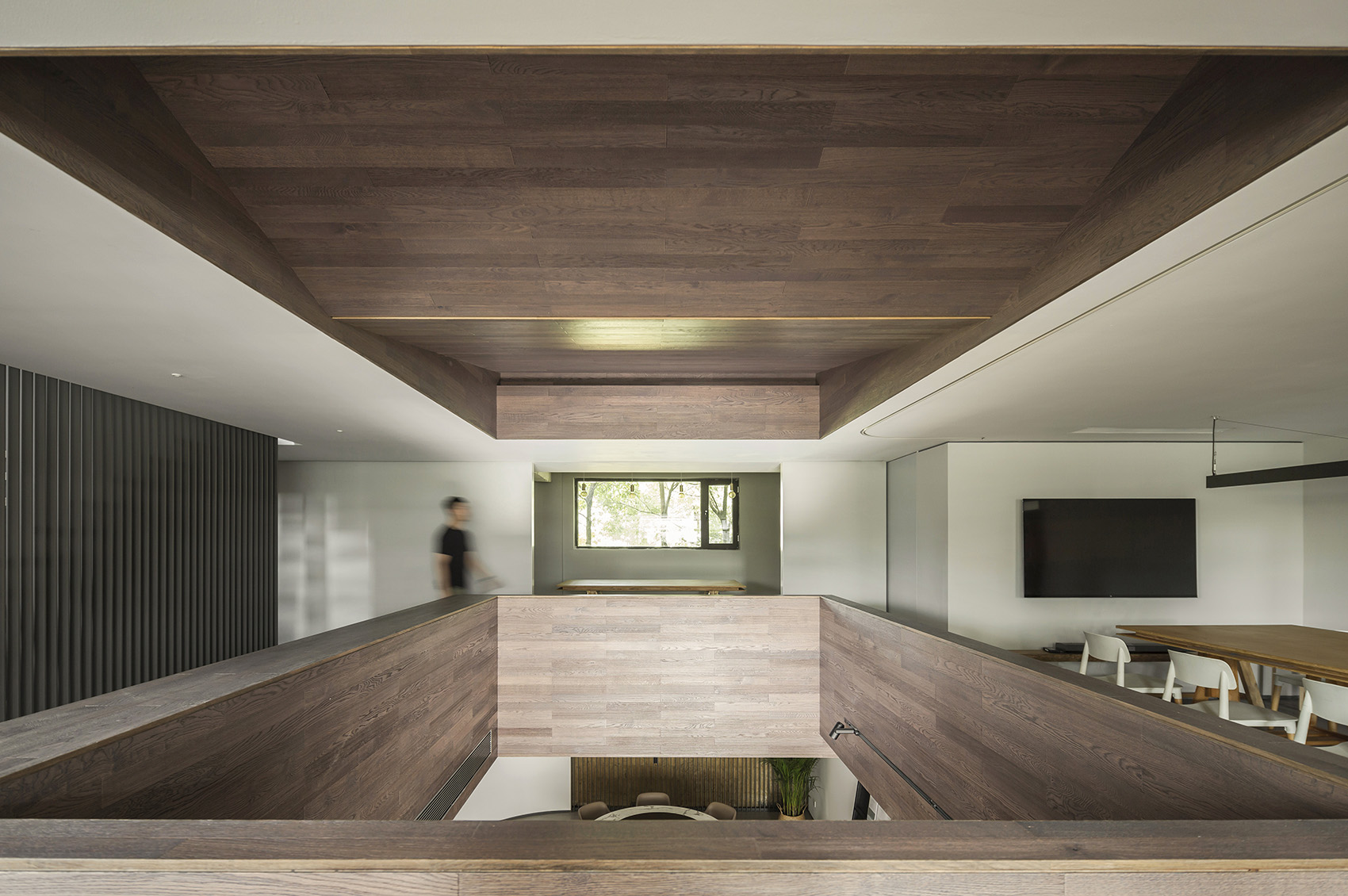
Interior Design Bali: Setting a New Standard for Modern Workplaces
Bali has long been known as a global destination for leisure and retreat—but today, it is also emerging as a dynamic hub for business, entrepreneurship, and remote work. Areas like Canggu, Seminyak, Ubud, and Sanur are no longer just lifestyle destinations; they are evolving into hybrid work ecosystems where startups, creative agencies, and global companies converge.Interior Design Bali
This shift is redefining how offices are designed. Interior Design Bali is no longer about conventional workspaces—it is about crafting environments that support flexibility, creativity, and wellbeing, while staying deeply connected to the island’s natural and cultural identity. As a creative interior villa & bungalow designer, our firm approaches workplace design with the same philosophy: spaces must feel human, emotional, and alive—seperti hidup di alam (like living in nature).
Understanding Bali’s Evolving Business Environment
Bali’s business landscape is unique. Unlike dense financial centers such as Singapore or Hong Kong, Bali’s office culture is decentralized and lifestyle-driven. The rise of digital nomads, remote teams, and creative entrepreneurs has led to:
-
Growth of co-working hubs in Canggu and Ubud
-
Boutique offices integrated into hospitality-style environments
-
Flexible work schedules blending productivity with wellness
-
A strong emphasis on community and collaboration
At the same time, infrastructure and investment are steadily improving, positioning Bali as a long-term business destination. Much like emerging industrial cities experiencing rapid transformation, Bali is witnessing a shift from traditional to future-ready workspaces, where adaptability and experience are key.
From Workplace to Experience: A New Design Mindset
Modern office design in Bali is not just about desks and meeting rooms—it begins with workplace strategy. Before any design decision is made, our firm studies how people work, interact, and recharge.
This leads to the adoption of Activity-Based Working (ABW), where spaces are designed to support different tasks:
-
Collaborative hubs for brainstorming and team interaction
-
Focus pods for deep, uninterrupted work
-
Social zones for informal meetings and connection
-
Wellness areas for relaxation and mental clarity
In Bali, this approach feels especially natural. The culture already values balance—kerja dan hidup harus seimbang (work and life must be balanced). The role of design is to translate this philosophy into physical space.
Designing for Flexibility and Flow
One of the most critical aspects of Interior Design Bali is spatial planning. Offices must feel open, breathable, and intuitive to navigate.
Our firm prioritizes:
-
Seamless circulation flow: Allowing movement between zones without disruption
-
Flexible layouts: Spaces that can adapt to changing team sizes and work modes
-
Indoor-outdoor integration: Blurring boundaries with terraces, gardens, and open-air lounges
-
Zoning strategies: Clearly defining areas for collaboration, focus, and relaxation
This approach ensures that workplaces are not only efficient but also emotionally engaging—spaces where people feel comfortable, inspired, and connected.
Materiality, Light, and Tropical Sensitivity
Designing in Bali requires a deep understanding of the tropical climate and local craftsmanship. Materials and lighting are not just aesthetic choices—they directly impact comfort and performance.
Key considerations include:
-
Natural materials: Teak wood, rattan, stone, and linen that age beautifully in tropical conditions
-
Daylight optimization: Maximizing natural light while controlling heat and glare
-
Ventilation strategies: Encouraging airflow to reduce reliance on mechanical cooling
-
Layered lighting: Combining ambient, task, and accent lighting for different moods and functions
These elements create a sensory experience that feels authentic and calming—tenang dan hangat (peaceful and warm)—while supporting productivity throughout the day.
Integrating Smart Technology and Future-Ready Systems
Even in a nature-driven environment like Bali, technology plays a vital role in shaping modern workplaces.
Our firm integrates:
-
Smart booking systems for desks and meeting rooms
-
Data-driven space planning to optimize usage and efficiency
-
High-performance digital infrastructure for remote collaboration
-
Acoustic solutions to support virtual meetings and focused work
The goal is to create a seamless blend of nature and technology, where innovation enhances—not disrupts—the human experience.
Tailoring Design for Different Office Typologies
Every business has its own rhythm, and design must reflect that. In Bali, we often work across diverse office typologies:
Corporate Offices
Require structured layouts, professional meeting environments, and strong brand expression—often located in Denpasar or emerging business districts.
Co-Working Spaces
Focus on flexibility, community, and shared amenities. These spaces thrive in Canggu and Ubud, where networking and collaboration are part of daily life.
Startups and Creative Studios
Demand dynamic, adaptable environments with bold design elements that reflect innovation and energy.
Enterprise and Remote Hubs
Need a balance between global standards and local sensibilities, ensuring comfort for both local teams and international professionals.
Each typology requires a tailored workplace strategy, ensuring that design aligns with operational goals and company culture.
The Business Impact of Thoughtful Design
Great office design is not just beautiful—it delivers measurable results. By aligning design with business strategy, our firm helps organizations achieve:
-
Improved space efficiency through optimized layouts
-
Enhanced collaboration with well-designed shared spaces
-
Stronger brand identity expressed through spatial storytelling
-
Higher employee satisfaction and retention
-
Increased productivity through комфорт and functionality
In Bali’s competitive talent landscape, where lifestyle is a key factor in career decisions, the workplace itself becomes a powerful tool for attracting and retaining talent.
Setting a New Standard for Workplaces in Bali
To set a new standard in workplace design means going beyond functionality. It means creating environments that are:
-
Human-centered: Designed around real behaviors and needs
-
Adaptive: Flexible enough to evolve with changing work patterns
-
Culturally connected: Reflecting Bali’s identity and values
-
Experience-driven: Offering moments of inspiration, connection, and wellbeing
This is where Interior Design Bali becomes truly transformative—not just shaping offices, but shaping how people feel, work, and grow within them.
A Strategic Partner for the Future of Work
At the heart of every successful workplace is a clear vision and a thoughtful execution. Our firm serves as a strategic partner, guiding clients through every stage—from workplace strategy and concept design to technical documentation, construction, and final styling.
We believe that offices in Bali should be more than places to work. They should be living environments—dynamic ecosystems that support people, reflect culture, and drive business success.
As Bali continues to evolve as a global hub for creativity and innovation, the opportunity is clear: to create workplaces that not only meet today’s needs but define the future of work—masa depan kerja yang lebih baik.
Connect with us in


