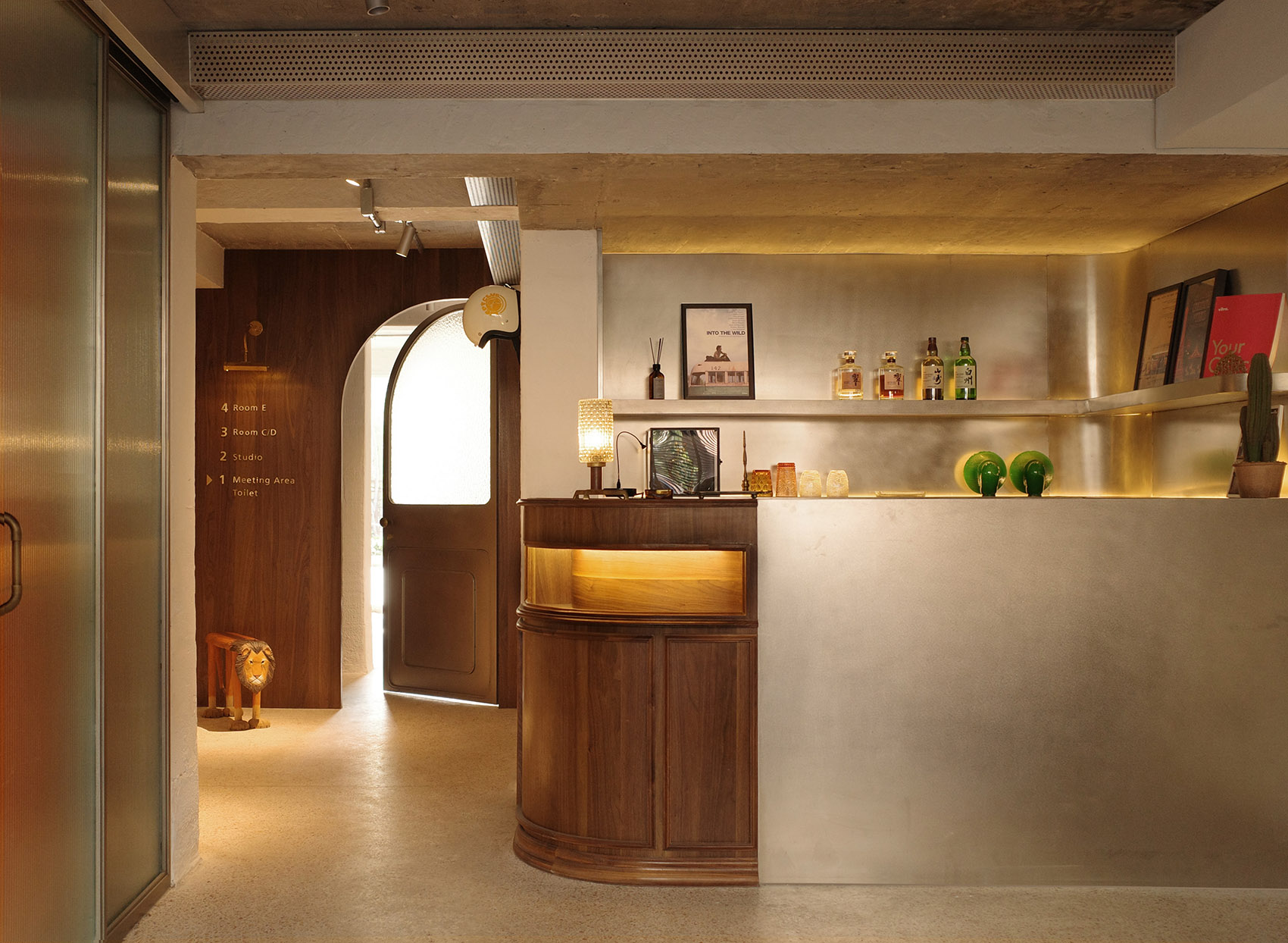
Where Soul Meets Sophistication: Redefining Hotel Interior Design Bali for the Modern Traveler
Selamat datang—welcome to a new era of hospitality design. In Bali, where the scent of frangipani mingles with ocean breezes and ancient tradition flows alongside contemporary creativity, hotel interiors must do more than impress. They must resonate. Interior Design Bali
As a creative studio specializing in emotionally resonant, people-centric environments, we believe that Interior Design Bali is not just about aesthetics—it’s about crafting spaces that honor the island’s spirit while delivering the refined comfort today’s discerning travelers expect. Whether you’re developing a serene boutique retreat in Ubud or a five-star cliffside sanctuary in Uluwatu, the magic lies in balancing modern luxury with authentic Balinese soul.
Understanding Bali’s Evolving Hospitality Landscape
Bali’s tourism renaissance is reshaping expectations. Post-pandemic, the island welcomes a sophisticated mix of travelers: luxury leisure seekers craving wellness and cultural immersion, digital nomads blending work with jam karet (island-time) flexibility, and business travelers drawn to Bali’s emerging MICE infrastructure in Nusa Dua and Sanur.
Hospitality districts are diversifying beyond Seminyak’s vibrant energy. Canggu pulses with creative, eco-conscious energy; Ubud deepens its reputation as a sanctuary for mindful luxury; while emerging areas like Pererenan and Sidemen offer untapped potential for intimate, nature-immersed properties.
Climate plays a pivotal role. Bali’s tropical humidity and abundant rainfall demand intelligent design: natural cross-ventilation, shaded bale (pavilion) structures, humidity-resistant materials like teak and volcanic stone, and seamless indoor-outdoor transitions that honor the Balinese philosophy of Tri Hita Karana—harmony with God, people, and nature.
Modern Luxe: Where Contemporary Elegance Meets Balinese Heart
Modern Luxe hospitality design in Bali isn’t about opulence for opulence’s sake. It’s a curated harmony of:
- Contemporary elegance: Clean lines, uncluttered spatial flow, and a restrained palette that lets craftsmanship shine
- Premium, locally rooted materials: Hand-carved paras stone, sustainably sourced teak, woven endek textiles, and artisanal ceramics
- Sophisticated lighting: Layered ambient, task, and accent lighting that shifts from golden dawn to candlelit evening, enhancing mood and ritual
- Curated textures: Rough-hewn wood against smooth linen, cool stone underfoot, tactile wall finishes that invite touch
- Spatial harmony: Thoughtful proportions, intentional negative space (ruang kosong), and fluid circulation that feels both expansive and intimate
This approach creates environments that feel timeless yet utterly of-the-moment—spaces where guests don’t just stay, but belong.
Designing the Complete Guest Journey: From Arrival to Awakening
A truly memorable hotel experience unfolds through intentional design at every touchpoint:
The Arrival Experience
First impressions set the tone. A shaded driveway lined with frangipani, a welcoming penjor (ceremonial pole), and a serene water feature create an immediate sense of selamat datang. The transition from bustling street to tranquil sanctuary should feel like a gentle exhale.
Lobby & Reception Flow
Gone are the formal, desk-centric lobbies. Today’s spaces embrace the Balinese wantilan (open pavilion) concept: airy, communal, and infused with local art. Reception integrates discreetly, allowing staff to greet guests with a warm smile and a chilled selendang (herbal towel)—terima kasih for the journey.
Social Lounges & F&B Spaces
Restaurants and bars become stages for storytelling. Open kitchens showcase Balinese culinary artistry; lounge areas encourage connection through low-slung seating and fire pits under the stars. Design should facilitate both vibrant social energy and quiet contemplation—ruang jiwa (space for the soul).
Guest Rooms & Suites
Here, comfort meets poetry. King-sized beds draped in organic linens, private bale terraces overlooking rice fields or ocean, and bathrooms featuring rain showers and locally carved stone basins create personal sanctuaries. Subtle cultural touches—a handwoven saput (throw), a small canang sari (offering) placement—add depth without cliché.
Wellness & Flexible Spaces
Wellness is non-negotiable in Bali. Spa treatment rooms should feel like forest clearings: natural light, flowing water sounds, and materials that ground the senses. Flexible event spaces—adaptable for yoga retreats, intimate weddings, or corporate gatherings—must balance aesthetic beauty with functional agility.
The Strategic Layers: Beyond Beauty to Operational Excellence
Beautiful design must also work. Strategic considerations include:
- Guest journey mapping: Anticipating needs before they arise—intuitive wayfinding, seamless service flow, and moments of delightful surprise
- Circulation planning: Ensuring staff efficiency without compromising guest privacy or tranquility
- Lighting atmosphere: Tunable systems that support circadian rhythms and enhance architectural features
- Acoustic comfort: Strategic use of water features, textiles, and spatial buffering to soften tropical sounds while preserving ambiance
- Furniture ergonomics: Pieces that invite lingering—deep sofas, supportive lounge chairs, desks that honor the remote worker’s needs
- Durable luxury materials: Selecting finishes that age gracefully in tropical conditions, reducing long-term maintenance while enhancing patina
- Signature focal points: A dramatic staircase of reclaimed teak, a living wall of tropical ferns, or a bespoke art installation by a local undagi (traditional artisan) that becomes the hotel’s visual heartbeat
These elements ensure the property not only wows on opening day but thrives for years to come.
Storytelling Through Space: Making Your Hotel a Destination
In a competitive market, differentiation is key. The most compelling hotels weave narrative into every detail:
- Brand identity: Translating your hotel’s ethos—whether eco-luxury, cultural immersion, or wellness-focused—into tangible design language
- Cultural context: Collaborating with local artisans, referencing Balinese spatial principles (nawa sanga), and honoring spiritual symbolism with respect and authenticity
- Sensory experiences: Engaging all five senses—the sound of gentle gamelan, the scent of cendana (sandalwood), the taste of welcome jamu (herbal tonic), the feel of hand-textured walls, the sight of curated art
When design tells a story, guests don’t just book a room—they embark on a journey. They return not only for the service but for the feeling your space evokes. That emotional connection drives loyalty, word-of-mouth advocacy, and ultimately, asset value.
Your Partner in Creating Bali’s Next Iconic Hospitality Spaces
From initial concept and spatial strategy to 3D visualization, material curation, on-site coordination, and final styling, our studio brings end-to-end expertise to every project. We understand that successful hospitality design in Bali requires more than international standards—it demands deep local empathy, respect for craft, and a commitment to creating spaces that serve both guests and community.
A thoughtfully designed hotel strengthens brand recognition, elevates guest satisfaction scores, encourages repeat visits, and enhances long-term market value. In Bali’s dynamic landscape, that’s not just good design—it’s smart investment.
Harmoni begins with intention. If you’re envisioning a boutique hideaway or a five-star landmark that embodies modern luxury, timeless elegance, and the irrepressible spirit of Bali, let’s create something extraordinary together.
Terima kasih for imagining a more beautiful, meaningful future for hospitality. Sampai jumpa—until we meet to bring your vision to life.
Connect with us in Interior Design Bali