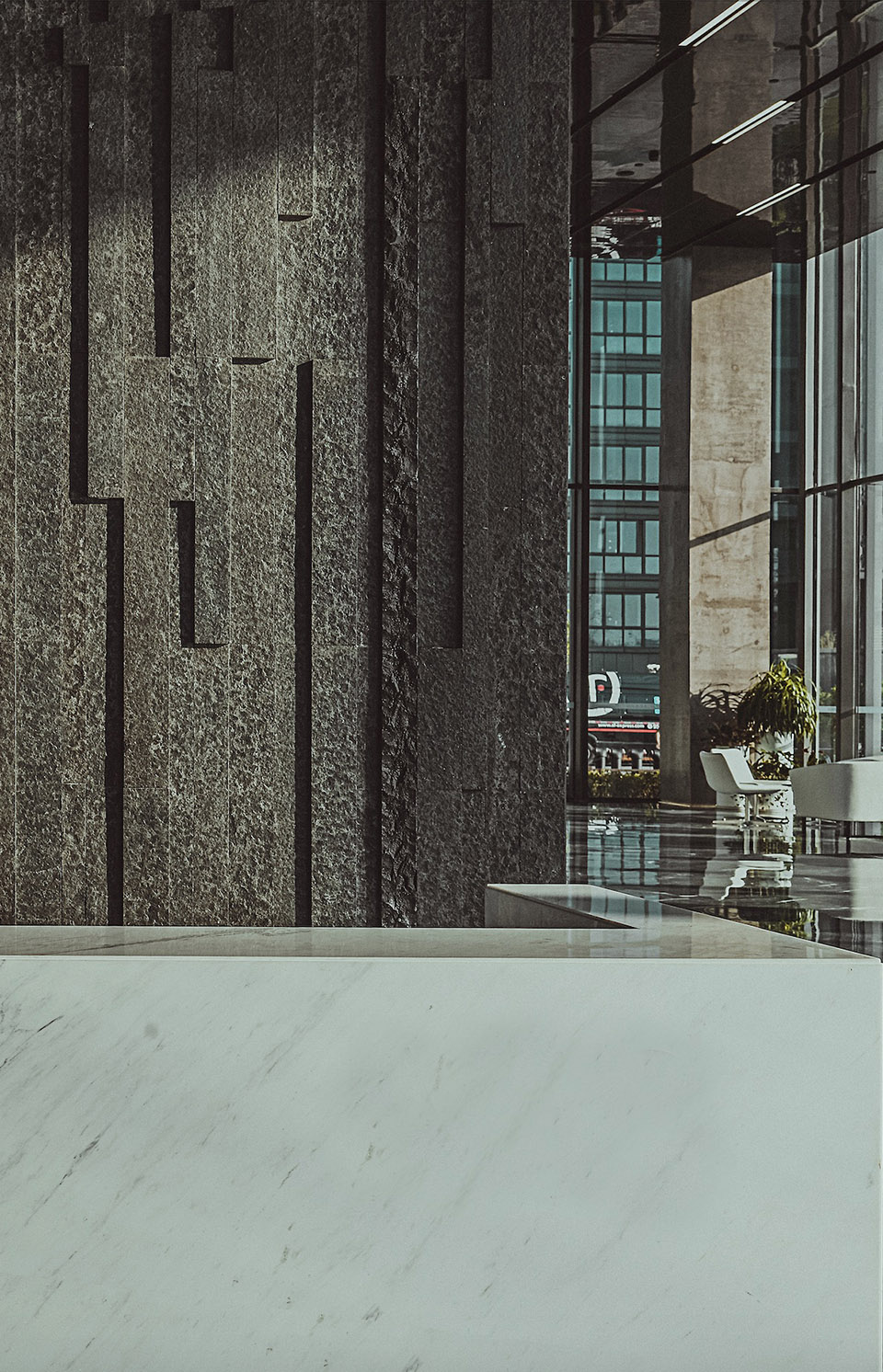
Interior Design Bali | From Destinations to Living Environments
Hospitality design is changing fundamentally. Interior Design Bali
In 2026, hotels, resorts, and lifestyle destinations are no longer defined only by accommodation or luxury aesthetics. They are becoming immersive living environments—spaces where people work remotely, socialize, restore emotionally, connect with nature, and experience belonging. The boundaries between hospitality, residential living, wellness, and workplace culture are dissolving rapidly.
In Bali, this transformation is especially visible.
From the creative energy of Canggu to the wellness-driven retreats of Ubud and the evolving lifestyle hospitality scene in Seminyak, travelers are no longer simply visiting destinations—they are temporarily living within them. Modern guests expect flexibility, authenticity, emotional warmth, and experiences that feel deeply human. Bukan sekadar menginap—not just staying overnight, but feeling part of a living ecosystem.
At our firm, we approach interior Design Bali through this future-focused lens. We create hospitality environments that move beyond visual impact to shape atmosphere, wellbeing, human connection, and meaningful experience.
The Shift from Destination to Living Environment
Traditional hospitality models focused on short-term stays and transactional experiences. Today’s hospitality spaces must do far more.
Hotels are becoming:
- Social hubs
- Flexible coworking environments
- Wellness retreats
- Community gathering spaces
- Lifestyle ecosystems
Guests now seek environments that feel intuitive and emotionally engaging—places where they can work in the morning, socialize in the afternoon, and recharge by evening without feeling disconnected.
This shift has transformed the role of hospitality design entirely.
In interior Design Bali, successful environments are no longer designed around static luxury. They are designed around human behavior, flexibility, and emotional flow.
The modern hospitality space must feel alive.
Hospitality Design in the Experience Economy
Luxury today is increasingly defined by experience rather than excess.
Travelers value:
- Emotional connection
- Authentic cultural integration
- Sensory atmosphere
- Personalization
- Wellness and restoration
This is why hospitality design now prioritizes storytelling, mood, and immersion over purely decorative expression.
A resort lobby in Bali should not simply impress visually—it should immediately create emotional calm. A beach club should encourage social connection naturally. A boutique hotel should feel like an extension of the local culture rather than an imported concept.
This evolution is shaping the future of interior Design Bali, where spaces become emotionally memorable rather than merely photogenic.
The Blurring of Hospitality, Residential & Workplace Design
One of the most important shifts in modern design is the merging of hospitality, residential, and workplace thinking.
Today’s guests often:
- Work remotely while traveling
- Seek residential comfort in hotels
- Expect flexible social environments
- Prioritize lifestyle amenities
As a result, hospitality environments increasingly incorporate:
- Residential warmth and softness
- Flexible coworking zones
- Multi-functional social lounges
- Lifestyle-oriented communal spaces
- Hybrid hospitality concepts
This blending is particularly visible in Bali’s hospitality culture, where many hotels now function simultaneously as resorts, coworking spaces, wellness destinations, and social communities.
The future hospitality environment feels less institutional and more personal—lebih hangat dan manusiawi.
Designing for Wellness & Human Connection
Wellness is no longer a secondary feature in hospitality design—it is central to the experience.
People increasingly seek environments that support:
- Mental wellbeing
- Emotional calm
- Sensory comfort
- Physical restoration
- Meaningful social interaction
At our firm, we integrate wellness-focused design through:
- Biophilic principles
- Natural ventilation
- Soft daylight transitions
- Acoustic comfort
- Greenery and landscape integration
- Tactile natural materials
- Wellness-oriented spatial flow
In tropical destinations like Bali, this relationship with nature becomes even more powerful. Open-air transitions, shaded courtyards, water elements, and cross ventilation create environments that feel restorative both physically and emotionally.
This is where interior Design Bali becomes deeply experiential—creating spaces that nourish people beyond functionality.
Technology & the Future Guest Experience
Hospitality technology is evolving rapidly, but the goal is not to replace human warmth. It is to enhance seamlessness while preserving emotional connection.
Future-ready hospitality environments increasingly integrate:
- Smart room systems
- AI-driven personalization
- Contactless experiences
- Data-informed guest services
- Integrated digital ecosystems
However, technology must remain invisible and intuitive.
The best hospitality experiences feel effortless rather than automated. Guests should experience comfort, personalization, and efficiency without losing the emotional richness of human-centered hospitality.
This balance between digital integration and emotional warmth is becoming a defining characteristic of modern interior Design Bali hospitality projects.
Designing Hospitality Spaces in Bali
Bali presents a unique hospitality environment shaped by tourism, spirituality, tropical climate, and global lifestyle culture.
Hospitality design here must respond to:
- Tropical heat and humidity
- Indoor-outdoor living expectations
- Wellness-focused travel culture
- Creative community lifestyles
- Eco-conscious hospitality trends
Tropical Openness
Open circulation, shaded terraces, natural airflow, and landscape integration are essential to creating comfort without excessive enclosure.
Resort-Inspired Living
Guests expect hospitality environments to feel immersive and relaxed rather than rigidly formal.
Community & Social Activation
Many hospitality environments now function as social ecosystems where travelers, remote workers, and local communities interact organically.
Cultural Authenticity
Successful hospitality spaces in Bali integrate local craftsmanship, natural materials, and contextual storytelling without becoming cliché.
This localized sensitivity is essential in creating hospitality environments that feel globally sophisticated yet deeply connected to place.
Our Hospitality Design Approach
At our firm, hospitality design begins with understanding people—not simply programs or aesthetics.
Our process includes:
Concept Strategy
Defining the emotional identity and positioning of the hospitality environment.
Guest Journey Mapping
Understanding movement, behavior, and emotional touchpoints.
Spatial Planning
Creating layered environments that support flexibility and intuitive flow.
Material & Lighting Curation
Designing atmosphere through tactile surfaces, natural textures, and layered illumination.
Operational Understanding
Ensuring guest experience aligns with operational efficiency and long-term functionality.
Execution
Delivering hospitality environments with precision, cohesion, and sensory depth.
Every decision is guided by a balance between experience, practicality, and timelessness.
Our Perspective
We believe the future of hospitality is not about creating destinations alone.
It is about creating living environments where:
- Lifestyle and wellbeing intersect
- Work and leisure coexist naturally
- Human connection feels authentic
- Atmosphere shapes memory
- Design supports emotional restoration
As a future-focused hospitality design practice, our firm creates spaces that feel timeless, immersive, and culturally meaningful.
This is our perspective on interior Design Bali—hospitality environments designed not only to impress, but to nurture, connect, and evolve with modern life.
Rethink the Future of Hospitality in Bali
If you are developing a hotel, resort, mixed-use destination, or lifestyle hospitality concept, this is the moment to think beyond traditional models.
Let’s create hospitality environments that feel alive—spaces where people stay, work, connect, and truly belong.
Because the future of hospitality is no longer just about destinations.
It is about creating meaningful ways to live.
Connect with us in


