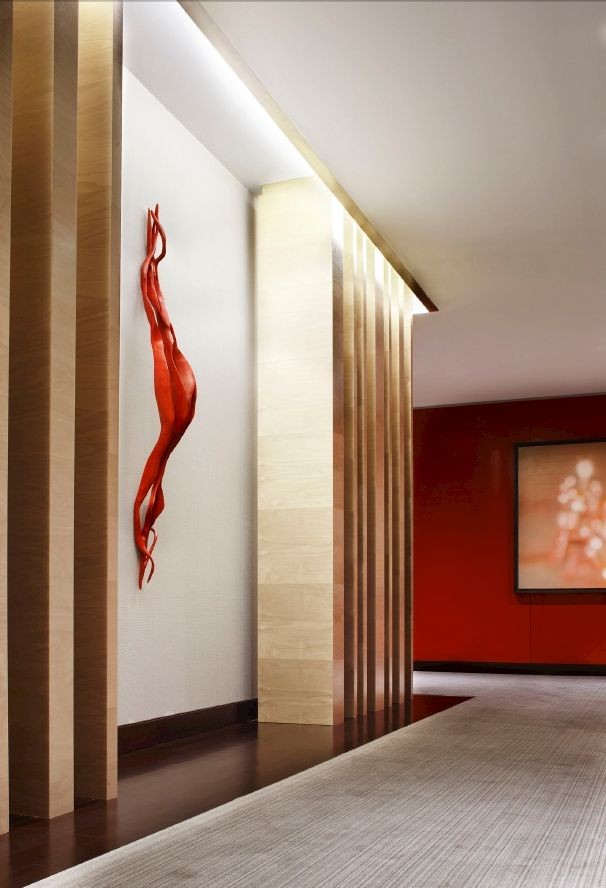
Interior design Bali: Crafting Iconic Hospitality Experiences Through Culture, Space & Emotion
Bali has long been a global benchmark for hospitality. From the vibrant energy of Seminyak and Canggu to the serene landscapes of Ubud and Uluwatu, the island continues to attract travelers seeking more than just accommodation—they seek experiences, stories, and emotional connection.
As a designer focused on people-centric environments, I’ve come to understand that Interior design Bali is not simply about creating beautiful spaces. It is about shaping journeys—moments that unfold from arrival to departure, guided by atmosphere, culture, and intention. Or as we often hear locally, “pengalaman yang berkesan”—an experience that stays with you.
Understanding Bali’s Hospitality Landscape
Bali’s hospitality market is both dynamic and deeply rooted in culture.
Key influences shaping design include:
- Tourism Patterns: A mix of luxury travelers, digital nomads, and wellness seekers
- Lifestyle Hospitality Growth: Boutique resorts, lifestyle hotels, and design-led villas dominating the market
- Tropical Climate: Warm temperatures encouraging open-air architecture and indoor-outdoor living
- Cultural Identity: Strong Balinese traditions influencing spatial hierarchy, materials, and craftsmanship
- Competitive Market: Hotels must differentiate through design, not just service
In areas like Canggu, where cafés, co-working spaces, and boutique hotels coexist, hospitality design must respond to a highly social, visually driven audience.
Beyond Aesthetics: Designing Experiences, Not Just Spaces
Creating an iconic hotel begins with a clear concept—one that integrates brand identity, storytelling, and guest expectations.
Through Interior design Bali, our firm approaches hospitality design as a narrative:
- What story does the brand want to tell?
- How should guests feel at each moment?
- How does the space connect with its surroundings?
This design thinking transforms hotels into immersive environments where every detail contributes to a cohesive experience.
Guest Journey Mapping: Designing Every Touchpoint
A successful hospitality space is carefully choreographed. From the moment a guest arrives to the moment they leave, every touchpoint must feel intentional.
Arrival & Entrance Experience
The first impression sets the tone. In Bali, this often means open, welcoming entrances framed by natural materials and greenery—creating a sense of calm from the very beginning.
Lobby & Reception Flow
The lobby is no longer just a waiting area—it is a social hub. Thoughtful spatial planning ensures smooth circulation while creating opportunities for interaction and relaxation.
Guest Rooms
Private sanctuaries designed for comfort, intimacy, and connection to nature. Natural light, ventilation, and tactile materials enhance the sensory experience.
Dining & Social Spaces
Restaurants and bars in Bali are destinations in themselves. Design must balance aesthetics with functionality, creating environments that encourage both dining and social engagement.
Wellness & Retreat Areas
Spas, yoga decks, and quiet zones reflect Bali’s wellness culture—spaces designed for reflection and rejuvenation.
Each of these elements contributes to a seamless, memorable guest journey.
Spatial Planning & Flow: The Foundation of Experience
Behind every beautiful space is a well-considered layout.
We focus on:
- Zoning: Separating public, semi-private, and private areas
- Circulation Flow: Ensuring intuitive movement for both guests and staff
- Operational Efficiency: Designing back-of-house areas to support seamless service
In Bali’s open-plan environments, maintaining flow while preserving intimacy is key—“terbuka tapi tetap nyaman” (open yet comfortable).
Designing Atmosphere Through Sensory Elements
Atmosphere is what transforms a space into an experience.
Lighting Strategy
Soft, layered lighting enhances mood, transitioning from bright daylight to warm evening ambience.
Material Selection
Natural materials like wood, stone, and rattan create authenticity and tactile richness.
Acoustic Comfort
Managing sound in open spaces ensures a balance between vibrancy and tranquility.
Furniture & Ergonomics
Comfortable, well-designed furniture supports both relaxation and functionality.
Sensory Design
Subtle scents, textures, and sounds create a multi-sensory experience that guests remember.
These elements work together to create spaces that feel alive, yet calming.
Creating Iconic & Instagram-Worthy Moments
In today’s digital world, design must also be shareable.
Distinctive features such as:
- Sculptural staircases
- Statement lighting installations
- Infinity pools and framed views
- Artistic focal points
These moments not only enhance the guest experience but also generate organic visibility through social media—turning guests into brand ambassadors.
Balancing Creativity with Operational Reality
While creativity drives design, practicality ensures long-term success.
Our firm carefully considers:
- Durability of Materials: Suitable for tropical climates and high usage
- Maintenance Efficiency: Easy-to-maintain finishes and systems
- Staff Workflow: Efficient layouts for seamless service
- Sustainability: Energy-efficient systems and environmentally conscious materials
This balance ensures that design performs as beautifully as it looks.
Integrating Technology & Flexibility
Modern hospitality design in Bali increasingly incorporates:
- Smart room controls and lighting systems
- Flexible spaces that adapt to events or changing needs
- Digital integration for seamless guest experiences
These features enhance comfort while future-proofing the property.
Embedding Culture into Design
One of the most powerful aspects of Interior design Bali is its ability to reflect local identity.
We integrate cultural elements through:
- Traditional craftsmanship and materials
- Spatial concepts inspired by Balinese architecture
- Art and decorative elements that tell local stories
This creates authenticity—spaces that feel rooted in place while maintaining global luxury standards.
From Design to Business Impact
Thoughtful hospitality design delivers measurable results:
- Increased guest satisfaction and positive reviews
- Stronger brand positioning in a competitive market
- Higher occupancy rates and repeat bookings
- Enhanced long-term asset value
In Bali, where competition is high, these outcomes are essential for success.
A Strategic Partner for Iconic Hospitality
At our firm, we approach every project as a partnership—guiding clients from concept to completion:
- Concept development and storytelling
- Spatial planning and visualization
- Technical detailing and coordination
- Final styling and execution
With deep expertise in Interior design Bali, we create hospitality environments that are not only visually compelling but emotionally engaging and commercially successful.
Final Reflection
Bali is a place where design, culture, and nature come together in harmony. To create truly memorable hospitality spaces, we must go beyond aesthetics and design with intention, empathy, and clarity.
Through thoughtful, strategic design, we transform hotels into experiences—spaces that reflect “jiwa Bali” (the spirit of Bali) while meeting the expectations of a global audience.
In doing so, Interior design Bali becomes more than a service—it becomes a way of shaping how people feel, connect, and remember.
Connect with us in


