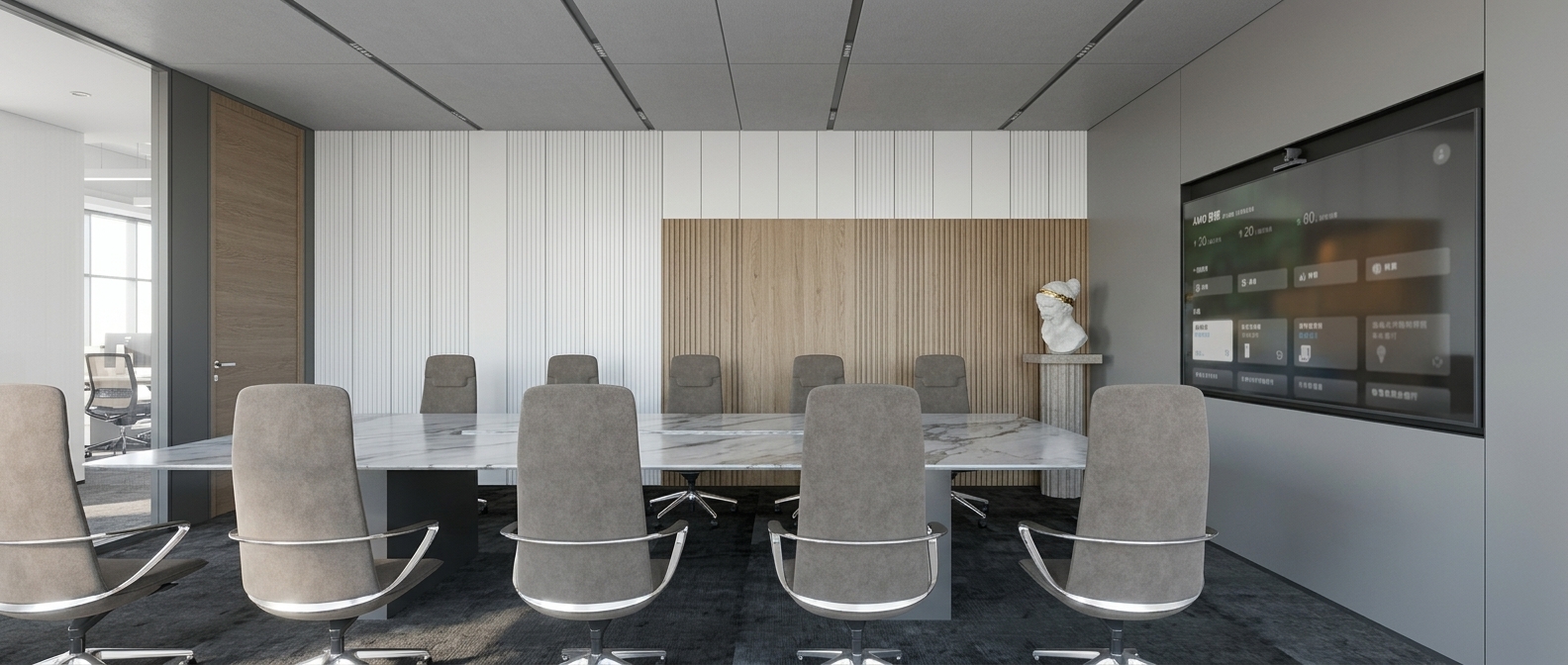
Interior Design Bali | Creating Intuitive & Inclusive Workplaces
The workplace is changing in ways we could not have imagined a decade ago. Interior Design Bali
Today’s offices are no longer designed solely for operational efficiency or desk allocation. They are evolving into intuitive environments that support flexibility, inclusion, emotional wellbeing, collaboration, and long-term organizational growth.
At our firm, we believe exceptional workplace design begins with people. The most successful offices are not rigid systems built around hierarchy—they are adaptive ecosystems designed around human behavior, emotional comfort, and evolving ways of working.
In Bali, this shift is especially visible. The island’s growing creative economy, international business presence, digital nomad culture, and lifestyle-driven entrepreneurship are redefining how workplaces function. From coworking hubs in Canggu to boutique creative offices in Seminyak and wellness-driven workspaces in Ubud, businesses are increasingly seeking office environments that feel more human, inspiring, and connected.
This is where Interior design Bali becomes more than aesthetics—it becomes a strategy for creating intuitive and inclusive workplace experiences.
Designing Intuitive Workplaces
An intuitive workplace feels effortless.
People instinctively understand how to move through the environment, where collaboration happens, where focus is protected, and where moments of pause naturally occur.
This is achieved through:
- Clear spatial zoning
- Seamless circulation
- User-centered planning
- Integrated workplace technology
- Flexible environments that adapt to different work styles
Thoughtful workplace design reduces friction between people, spaces, and digital tools.
In Bali’s increasingly hybrid and globally connected work culture, intuitive workplaces are becoming essential. Teams now expect environments that support fluid movement between focused work, collaboration, online meetings, and social interaction—kerja nyaman, hidup seimbang.
Through Interior design Bali, workplaces become more natural, responsive, and emotionally engaging.
Inclusive Workplace Design
Inclusive workplaces are designed for diversity—not uniformity.
Every employee experiences space differently. Some thrive in social environments, while others require calm focus areas. Different generations, personalities, accessibility needs, and cultural backgrounds all influence how people interact with the workplace.
Modern office design must therefore support:
- Flexible work settings
- Quiet concentration areas
- Collaborative hubs
- Wellness rooms
- Adaptable meeting environments
- Ergonomic workstations
An inclusive office creates equitable experiences where employees feel supported, respected, and comfortable.
This human-centered approach is especially important in Bali’s multicultural business environment, where local teams often collaborate with international professionals, remote workers, and creative entrepreneurs.
Health, Wellness & Human Performance
Wellbeing is no longer an optional workplace feature—it is a business necessity.
Healthier environments directly influence:
- Employee engagement
- Creativity and focus
- Retention and satisfaction
- Emotional resilience
- Long-term workplace performance
At our firm, we integrate wellness-focused strategies through:
- Natural light optimization
- Biophilic design and greenery
- Acoustic comfort
- Healthy air circulation
- Ergonomic planning
- Warm, tactile materiality
In tropical environments like Bali, wellness-driven design naturally aligns with local lifestyle values. Open airflow, shaded outdoor areas, greenery, and natural textures help create work environments that feel calm and restorative—tenang dan produktif.
This is an essential layer of Interior design Bali today.
Technology & the Future Workplace
Technology is reshaping how offices function, but workplace design must ensure digital integration remains human-centered.
Future-ready workplaces increasingly rely on:
- Smart office systems
- Hybrid collaboration tools
- Flexible digital infrastructure
- Wireless and adaptive work environments
- Data-informed space utilization
However, technology should enhance comfort—not overwhelm it.
The most successful workplaces integrate technology seamlessly into the spatial experience, allowing people to work more fluidly while maintaining emotional warmth and social connection.
As Bali continues attracting international startups, creative agencies, and flexible work communities, future-proof office environments are becoming increasingly important for business competitiveness.
Creating Spaces for Connection & Growth
Modern workplaces must do more than support productivity—they must nurture culture and connection.
Offices today play a critical role in:
- Collaboration and teamwork
- Mentorship and learning
- Social interaction
- Organizational identity
- Employee belonging
This is why hospitality-inspired workplace environments are becoming more influential.
Lounge-style breakout spaces, café-inspired social hubs, wellness corners, and flexible collaboration areas help transform offices into environments people genuinely want to be part of.
In Bali’s creative and lifestyle-driven culture, workplace design increasingly emphasizes emotional connection and shared experience over rigid corporate formality.
Designing Offices in Bali
Bali offers a unique workplace context shaped by:
- Tropical climate conditions
- Creative and entrepreneurial industries
- International remote work culture
- Lifestyle-driven business environments
- Strong wellness and hospitality influences
These factors influence workplace strategies such as:
- Indoor-outdoor integration
- Natural ventilation and airflow
- Flexible collaborative layouts
- Relaxed hospitality-inspired atmospheres
- Material palettes suited to humidity and tropical performance
Areas such as Canggu, Uluwatu, and Ubud are redefining workplace culture through more experiential office environments that balance work, wellbeing, and community.
This evolution is reshaping the future of Interior design Bali—where workplaces become destinations for creativity, culture, and meaningful human interaction.
Our Workplace Design Approach
At our firm, workplace design begins with understanding people first.
Our process includes:
1. Workplace Analysis
Understanding business goals, workflows, and organizational culture.
2. User Research
Studying employee behavior, collaboration patterns, and workplace needs.
3. Strategy Development
Creating workplace solutions aligned with future business growth.
4. Concept Planning
Developing a cohesive experiential narrative for the environment.
5. Material & Lighting Design
Curating atmosphere through texture, lighting, and sensory comfort.
6. Technical Coordination
Ensuring smooth integration between design and execution.
7. Project Delivery
Delivering future-ready workplace environments with precision and care.
This holistic methodology ensures each workplace feels intuitive, inclusive, and adaptable over time.
Our Perspective
We believe the future workplace must be deeply human.
The best office environments today are those where:
- People feel emotionally supported
- Technology enhances experience naturally
- Wellness is integrated into daily work life
- Collaboration and focus coexist seamlessly
- Culture is expressed authentically through space
At our firm, we create workplaces where business performance, inclusivity, wellbeing, and human connection intersect.
This is our perspective on Interior design Bali—future-ready workplaces designed not only for productivity, but for people.
Rethink the Future of Work in Bali
The workplace is no longer just where people work.
It is where they connect, grow, collaborate, and experience culture.
If you are planning a workplace transformation in Bali, our firm is ready to help you create an office environment that supports both organizational success and human wellbeing.
Let’s create a workplace that feels intuitive, inclusive, and deeply connected to the future of work.
Connect with us in


