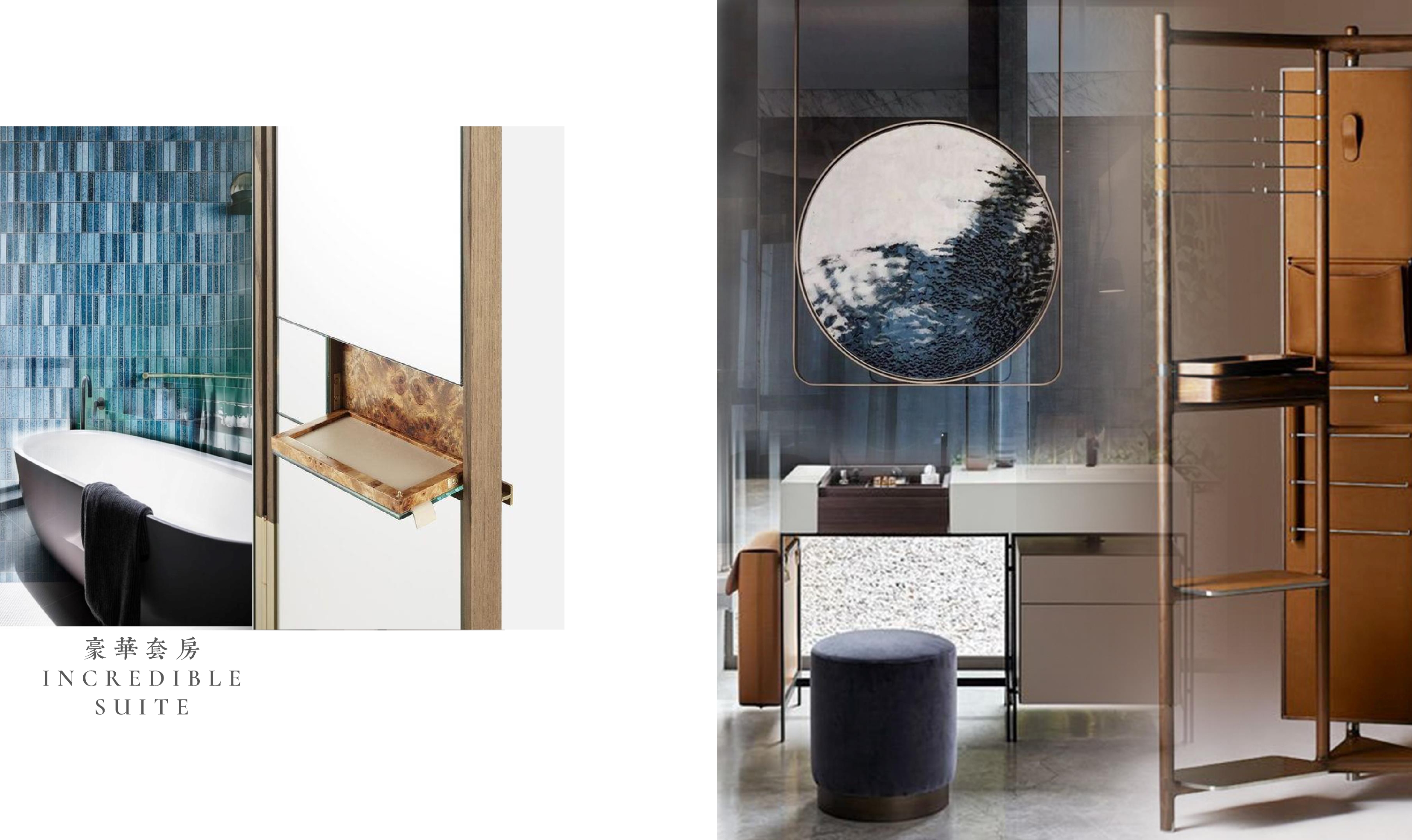
Interior Design Bali: Shaping the Future of Emotional, People-Centric Spaces
Bali has long been known as a destination of beauty, spirituality, and cultural richness. Today, it is also emerging as a global design hub—where hospitality, wellness, residential living, and creative industries converge in a unique and inspiring way.
From the vibrant beach clubs of Canggu to the serene villas of Ubud and the luxury developments in Seminyak and Uluwatu, the demand for thoughtful, high-quality interior design Bali continues to grow. As a designer deeply rooted in creating emotional, people-centric environments, I see Bali not just as a place of aesthetic expression—but as a living canvas where design must respond to culture, nature, and evolving lifestyles.
Bali’s Design Landscape: From Vacancy to Vibrancy
Bali’s development story is one of transformation. Spaces that were once underutilized are now being reimagined into lifestyle destinations—boutique hotels, co-working hubs, wellness retreats, and luxury residences.
Key forces shaping the island’s design landscape include:
- Rapid growth of hospitality and lifestyle-driven developments
- Rising demand for luxury villas and private residences
- Expansion of co-working and remote work communities, especially in Canggu
- Strong influence of wellness and spiritual living
- Blending of traditional Balinese architecture with modern global design
The shift is clear: spaces are no longer static—they are being activated, transformed, and curated into meaningful experiences. In local spirit, it reflects “hidup yang selaras”—a life in harmony.
This transformation is at the heart of how interior design Bali is evolving today.
The Evolution of Interior Design: Beyond Aesthetics
Interior design is no longer just about how a space looks—it’s about how it performs, feels, and adapts over time.
Globally, and especially in Bali, design is shifting toward:
- Human-centric environments that prioritize comfort and emotional connection
- Experience-driven spaces that engage all senses
- Performance-based design that supports functionality and long-term value
Whether designing a beachfront restaurant, a co-living space, or a private villa, the goal is the same: to create environments that resonate deeply with people while supporting business and lifestyle needs.
What’s Next: Future Trends Shaping Interior Design in Bali
1. Sustainability as a Foundation
In Bali, sustainability is not a trend—it is a responsibility. Designers are increasingly using locally sourced materials, natural ventilation strategies, and environmentally responsible construction methods.
Bamboo architecture, reclaimed wood, and open-air concepts are not just aesthetic choices—they reflect a deeper commitment to alam (nature).
2. Integration of Smart Technology
Even in a nature-driven environment like Bali, technology plays a growing role. Smart lighting, climate control, and integrated systems enhance comfort and efficiency without disrupting the organic feel of a space.
3. Flexible and Adaptive Spaces
The rise of remote work and hybrid lifestyles has transformed how spaces are used. Villas double as workspaces, cafés become co-working hubs, and hospitality venues evolve into multi-functional environments.
Design must be flexible—ruang yang bisa berubah mengikuti kebutuhan.
4. Wellness-Driven Design
Wellness is deeply embedded in Bali’s identity. Interiors now prioritize mental and physical wellbeing through:
- Natural light and ventilation
- Biophilic design elements
- Calm, neutral material palettes
- Spaces for relaxation, yoga, and reflection
5. Blending Physical and Digital Experiences
From hospitality to retail, design increasingly integrates digital touchpoints—without losing the authenticity of physical space. The balance between technology and nature is key.
A Global Perspective, Rooted in Local Context
As an international award-winning practice, our firm brings experience from diverse markets—urban cities, coastal destinations, and global business hubs. This cross-border knowledge allows us to anticipate trends and apply them meaningfully in Bali.
But global expertise alone is not enough. True design success comes from understanding local context—rasa lokal yang kuat.
In Bali, this means:
- Respecting traditional spatial principles and cultural symbolism
- Responding to tropical climate conditions
- Integrating local craftsmanship and materials
- Designing with sensitivity to community and environment
This global-local balance is what defines exceptional interior design Bali.
Our Approach: From Concept to Completion
Every project we undertake is guided by a strategic, holistic process:
Concept Development
We begin by understanding the client’s vision, brand identity, and the emotional experience they want to create.
Spatial Planning
Layouts are carefully crafted to optimize flow, functionality, and interaction.
Material Curation
We select materials that are not only beautiful but also durable and climate-responsive.
Technical Execution
Attention to detail ensures that design intent is carried through to construction with precision.
Delivery and Beyond
We see every project as a long-term investment—ensuring it remains relevant, functional, and impactful over time.
Designing for Impact: Measurable Outcomes
Thoughtful design delivers more than visual appeal—it creates tangible value:
- Enhanced user experience through comfort and emotional connection
- Stronger brand identity for hospitality and commercial spaces
- Increased property value for residential developments
- Sustainable performance through efficient and durable design solutions
In Bali’s competitive and evolving market, these outcomes are essential for long-term success.
Contributing to the Future of Design in Bali
As designers, we have a responsibility not only to create beautiful spaces but to contribute meaningfully to the built environment.
Through our projects, our firm aims to:
- Elevate design standards across hospitality and residential sectors
- Promote sustainability and responsible development
- Celebrate local culture while embracing global innovation
- Create spaces that inspire, connect, and endure
Conclusion: Designing the Next Chapter of Bali
The future of interior design Bali lies in its ability to balance innovation with authenticity, technology with nature, and global perspective with local soul.
As a creative interior designer, I believe the most powerful spaces are those that feel alive—spaces that tell stories, nurture wellbeing, and adapt to the rhythms of life.
Our firm stands as a trusted, forward-thinking design partner—shaping the next generation of commercial and residential environments in Bali.
Because in the end, great design is not just seen—it is felt. Dan ketika ruang terasa hidup, di situlah desain menjadi bermakna.
Connect with us in