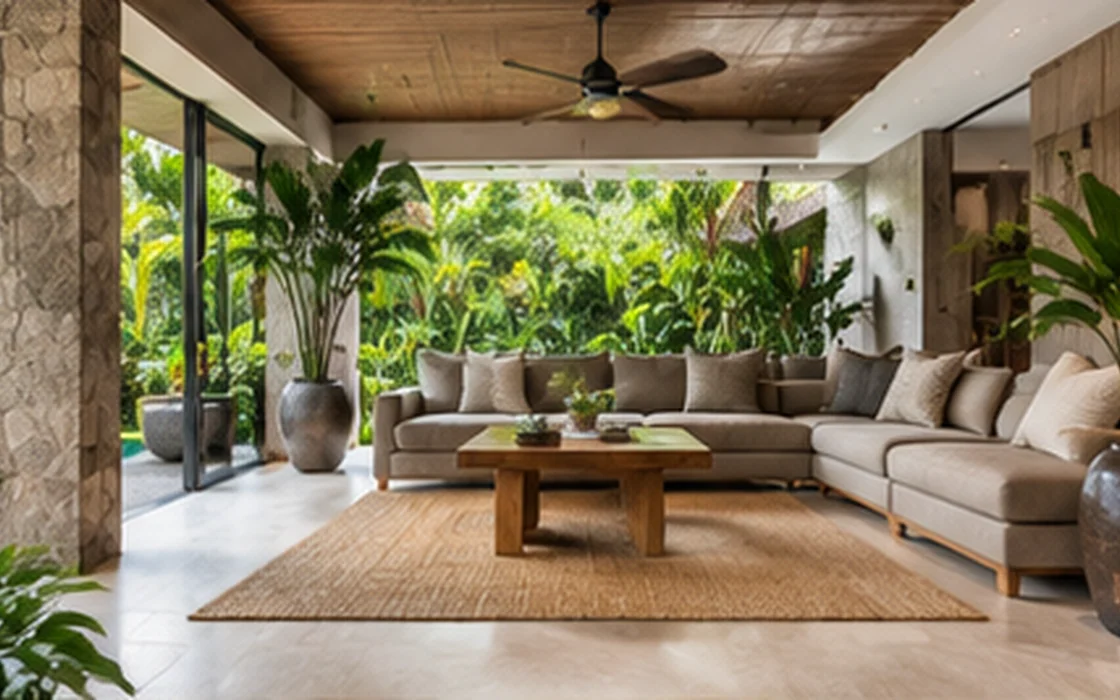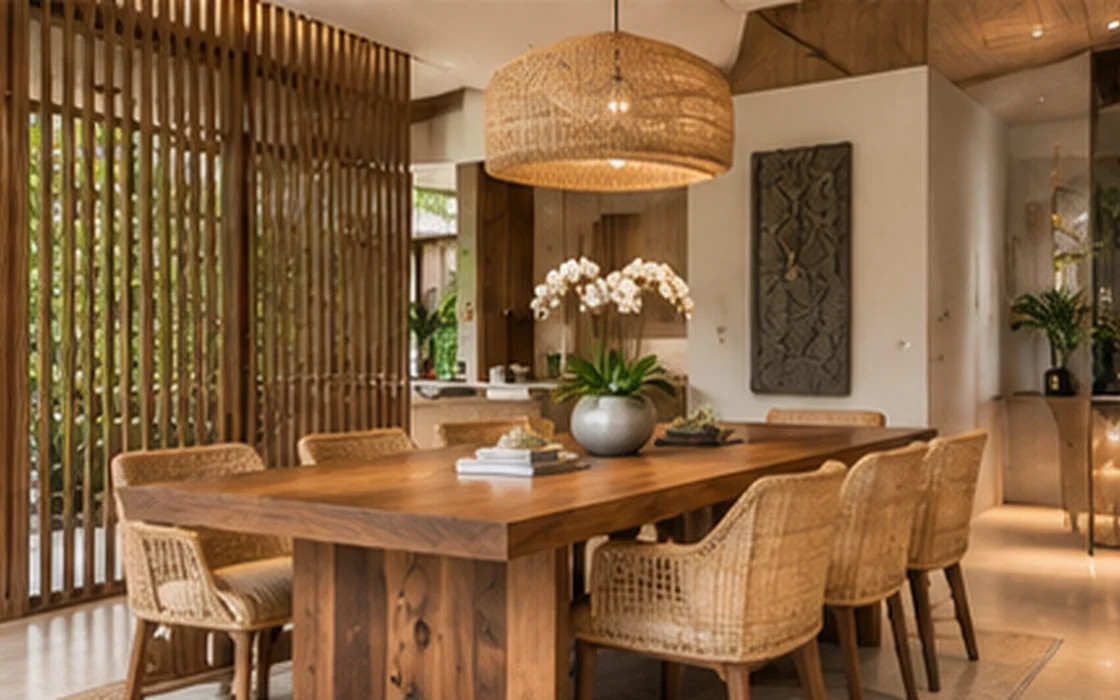
Sustainability in interior design in Bali is more useful when expressed through real decisions than broad green claims. Products must suit the property, have traceable specifications and remain repairable. A long-lasting interior can reduce replacement waste, while a fashionable finish that fails after one wet season can create unnecessary expense and material consumption.
Look beyond visual eco-labels to sourcing, repairability, durability and responsible interior material decisions. Start with a defined brief, written responsibilities and a realistic review process rather than choosing by appearance alone.
Reduce changes by improving the initial brief
Understand how many people use the space, what equipment is essential and how the room might change. Avoid demolition driven only by a change in taste when sound elements can be repaired or refinished. Design quality begins with decisions that remain useful after the opening photographs have aged.
Question material claims
Ask suppliers about provenance, treatment, relevant certifications and maintenance. “Natural” does not automatically mean responsibly sourced or suitable for constant humidity. Stone extraction, timber supply chains, adhesives and transport all deserve consideration appropriate to the project scale.
Plan for repair and local replacement
Choose furniture with replaceable fabrics, serviceable hardware and accessible maintenance instructions. Standardise concealed items where useful so a future replacement does not require redesigning an entire room. Keep material schedules and spare components in the handover package.
Design for comfort and operations
Energy and water considerations begin with building systems, shading and efficient use of space. Interiors can support these goals through coordinated lighting controls, appropriate equipment placement and durable fixtures. Technical performance should be verified with qualified consultants rather than claimed without testing.
What to review on the real project
An owner can make sustainability measurable by tracking a few practical outcomes: materials retained, spare parts supplied, maintenance intervals and energy-related improvements validated by specialists. Avoid environmental claims that cannot be backed by documents. Where a custom piece can be repaired locally, record the maker and finish. Where a component has a long import lead time, consider a sensible replacement plan. Responsible design is as much about operating the space as constructing it.
A practical project scenario
A resort proposes imported decorative flooring across every guestroom. A life-cycle review identifies a locally serviceable alternative and a repair strategy that reduces replacement complexity.
How to apply this guidance
At the next project review, begin by asking the team to prioritise keeping sound existing elements. Then make time to request traceable material information. These are decisions that should be recorded in the brief or specification, not left as assumptions in a mood board. Before approving procurement or construction, specify repairable furniture and common parts and coordinate comfort and resource performance. Give one person responsibility for documenting the agreed outcome, note open questions and update the programme if a decision changes. For a Bali property, confirm humidity, maintenance and service implications wherever relevant. This process keeps creative decisions traceable through installation and handover.
Client decision checklist
- Prioritise keeping sound existing elements
- Request traceable material information
- Specify repairable furniture and common parts
- Coordinate comfort and resource performance
Frequently asked questions
Does bamboo always make a design sustainable?
No. Sourcing, processing, treatment, transport and durability all affect the answer.
How can interiors reduce waste?
Design for longevity, maintenance, adaptability and careful material quantities.