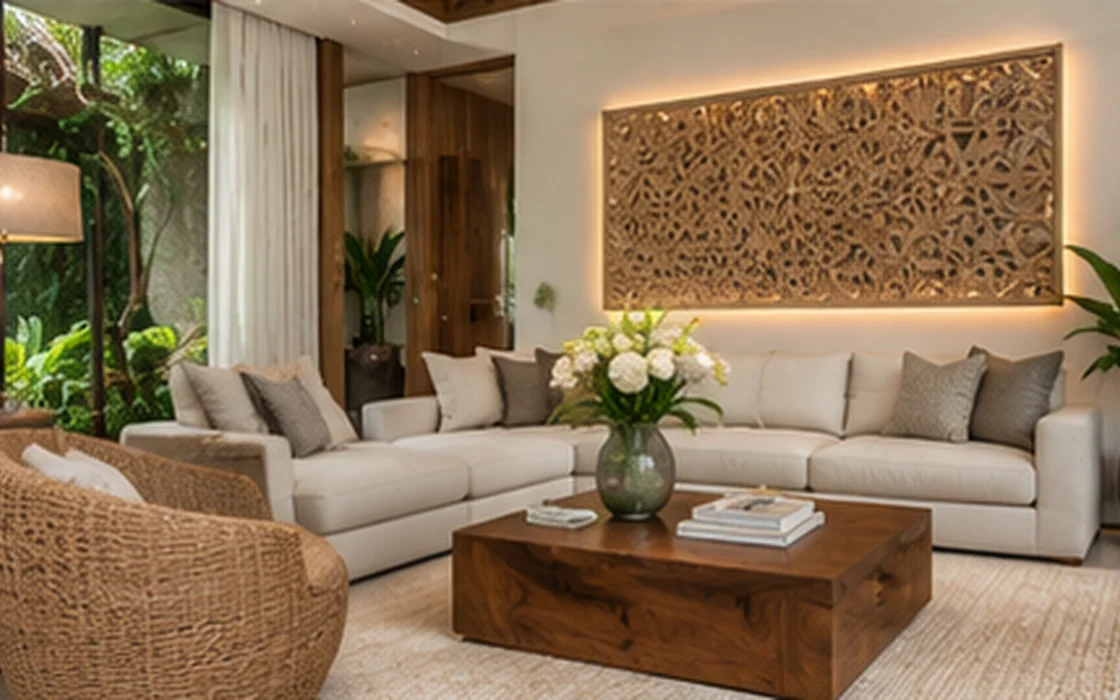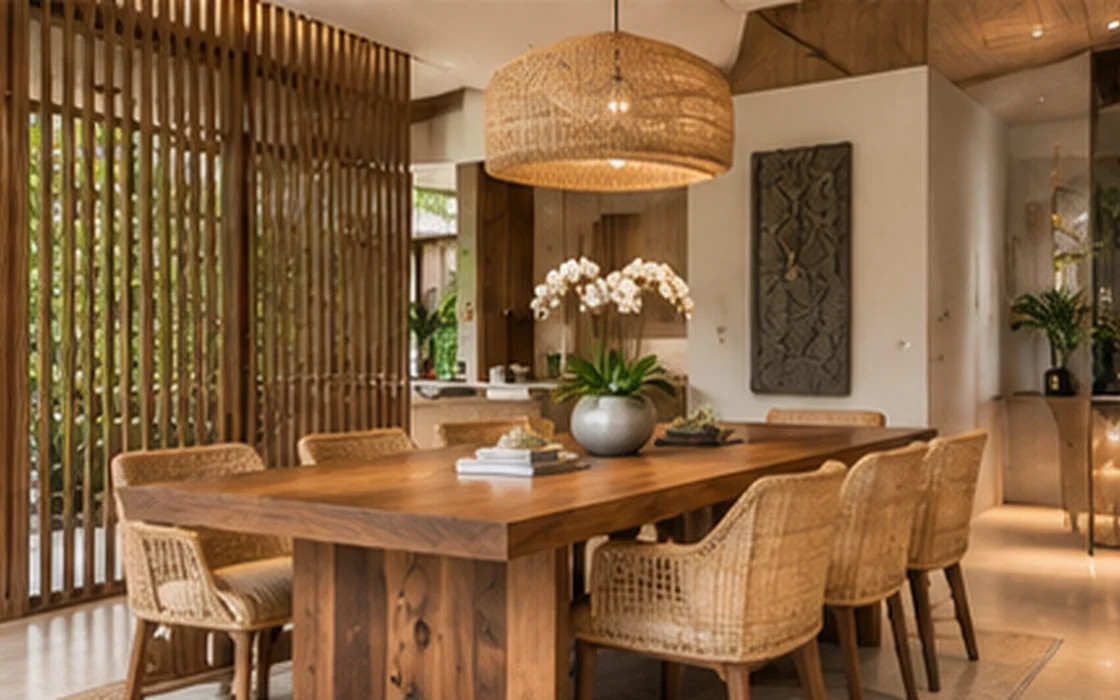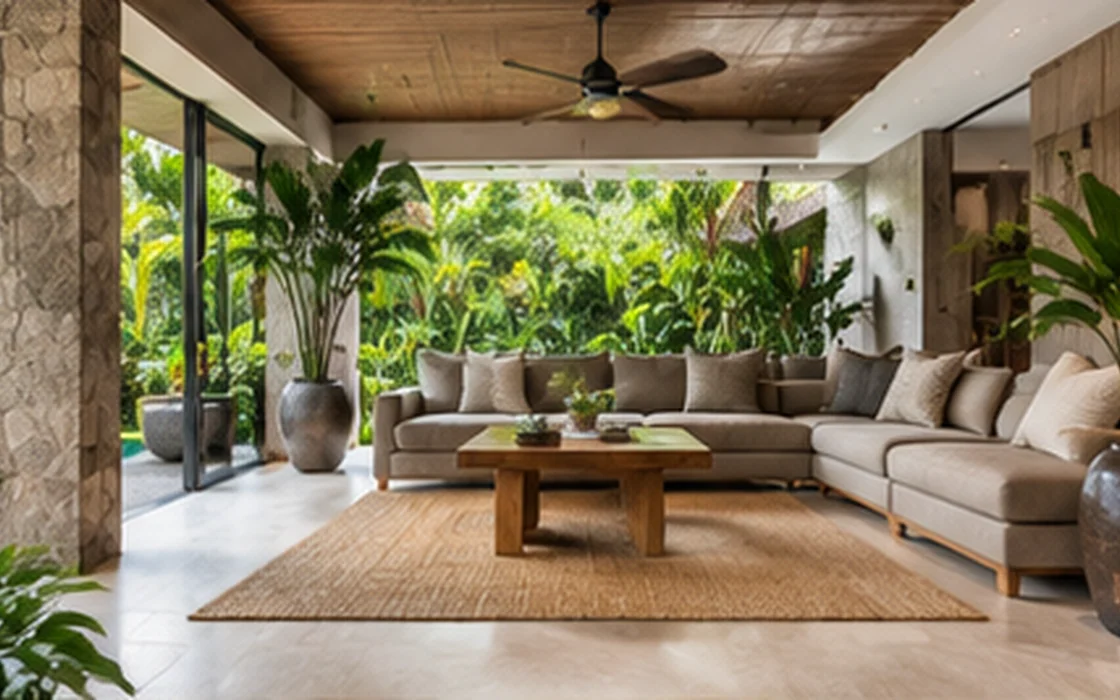
Interior design in Bali is often reduced to rattan lights and jungle views. A more meaningful tropical approach begins with how a household uses its spaces, where sunlight falls and how rain moves across the building. The design should feel connected to the setting without sacrificing practical needs such as insect protection, quiet work, storage or comfortable sleeping.
Create modern tropical living rooms with shade, privacy, airflow and materials that suit daily life. Start with a defined brief, written responsibilities and a realistic review process rather than choosing by appearance alone.
Plan the threshold between inside and out
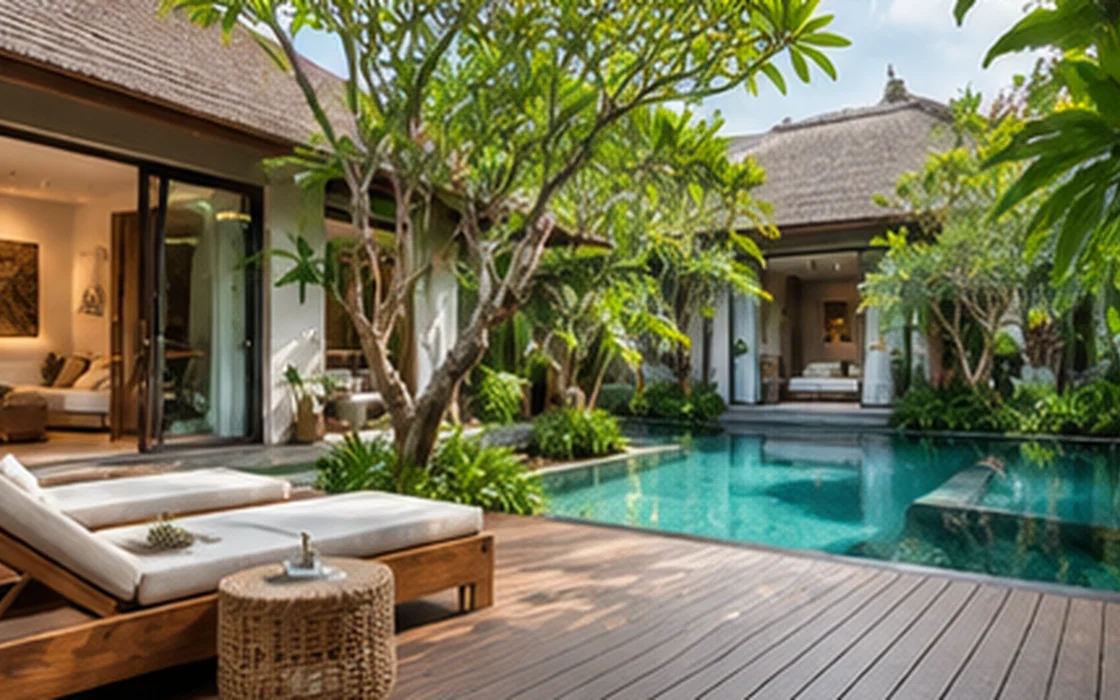
Large openings can make a villa feel generous, but they also bring rain splash, insects, heat and security questions. Consider sliding screens, sheltered transitions and furniture positions that keep the walkway clear. Indoor-outdoor design is most successful when rooms can also function during heavy rain or strong sunshine.
Balance natural ventilation and cooling
Some rooms can work well with cross-ventilation and ceiling fans; others may require carefully designed air-conditioning for comfort and humidity control. Coordinate window placement, shading and service equipment early. Avoid relying on a dramatic open ceiling where noise, heat or maintenance make daily use unpleasant.
Use local references thoughtfully
Craft traditions and regional materials can inform proportions, textures and hand-made elements without copying religious or culturally sensitive motifs as decoration. Select pieces with a genuine relationship to the brief and respect the maker. A contemporary home can express Bali through landscape, rhythm and tactility rather than an overloaded theme.
Test furnishings against daily routines
Check real furniture dimensions and circulation. Allocate charging points, cleaning storage and places for wet footwear near entries. If the house is a short-stay villa, account for luggage, cleaning supplies and easy instructions for guests. A thoughtful layout usually has a longer life than a trend-driven one.
What to review on the real project
Before investing in dramatic glass openings, try using the home in different weather scenarios. Imagine lunch during strong rain, an afternoon video call, a quiet night with insects outside and the arrival of several visitors with bags. These realistic tests explain whether doors, screens and shaded seating make daily life easier. They also show where a smaller opening or a sheltered passage could produce a better overall experience than a single expansive photograph.
A practical project scenario
A villa in Pererenan has beautiful folding doors but the family cannot use the terrace during rain. Adding a sheltered seating edge and secondary screen turns the dramatic opening into a reliable living space.
How to apply this guidance
At the next project review, begin by asking the team to map sun, rain and privacy at openings. Then make time to combine airflow with humidity control. These are decisions that should be recorded in the brief or specification, not left as assumptions in a mood board. Before approving procurement or construction, use cultural references respectfully and plan storage and real furniture sizes. Give one person responsibility for documenting the agreed outcome, note open questions and update the programme if a decision changes. For a Bali property, confirm humidity, maintenance and service implications wherever relevant. This process keeps creative decisions traceable through installation and handover.
Client decision checklist
- Map sun, rain and privacy at openings
- Combine airflow with humidity control
- Use cultural references respectfully
- Plan storage and real furniture sizes
Frequently asked questions
What defines modern tropical interior design in Bali?
Responsive shading, useful ventilation, landscape connection and comfortable materials matter more than a fixed decorative style.
Can a tropical villa still be air-conditioned?
Yes. Mixed-mode comfort is possible when the envelope and building services are designed together.