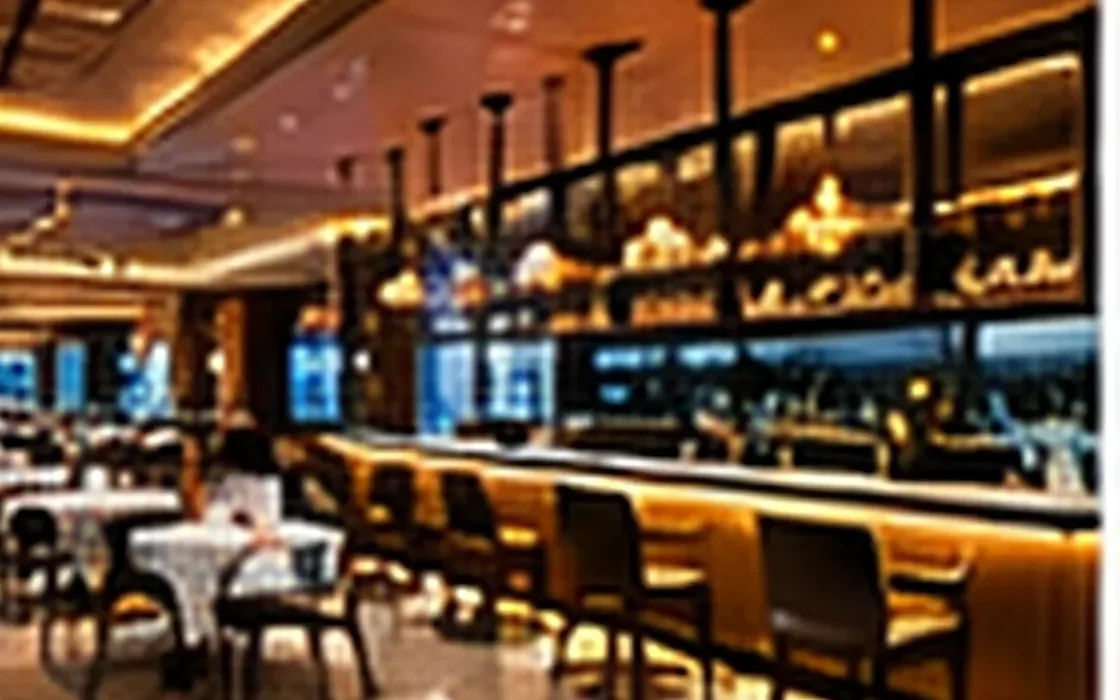
Warm lighting and natural textures are popular in Bali restaurants, but atmosphere must be usable. A restaurant interior design company in Bali should consider how diners read menus, see their food and speak comfortably while staff move through the room. Open-air dining introduces weather, insects and neighbourhood-noise considerations that a sealed interior may not have.
Design restaurant lighting and acoustic comfort for long dinners, conversation and a changing tropical evening. Start with a defined brief, written responsibilities and a realistic review process rather than choosing by appearance alone.
Layer lighting by activity
Provide functional light at menus, service stations and circulation points alongside atmospheric light at tables. Test how food colours appear and whether guests can see steps and thresholds. If the venue changes from daytime café to evening restaurant, use scenes rather than relying on one dim setting.
Treat sound as a spatial issue
Hard floors, large windows and parallel surfaces can increase reverberation. Furniture upholstery and absorption may help, but speaker placement, room geometry and operational noise also matter. Nearby music or streets may require specialist assessment depending on the venue.
Design open-air areas responsibly
Covered terraces still face rain, wind, insects and variable evening temperature. Consider ceiling fans, drainage, non-slip surfaces and maintenance access as appropriate. Position loud equipment and service activity so atmosphere is not compromised at the best tables.
Mock up a real dining moment
Before construction is complete, test table spacing, candle alternatives, menu reading, music levels and staff paths at the intended time of day. Adjust fittings while change is still straightforward. A memorable environment supports conversation and comfort as well as photographs.
What to review on the real project
For atmosphere, conduct one evening lighting test with the real menu, tableware and intended background music. Observe whether food is visually appealing, menus are readable and diners can converse without shouting. Test steps, washroom routes and service points separately for safety. A controlled lighting scene can still feel intimate while giving staff reliable working conditions. Fixing these issues before opening is easier than changing finished ceilings.
A practical project scenario
An Ubud dining terrace uses warm pendants but printed menus become difficult to read. Testing with a real menu leads to discreet local task light and better wayfinding at steps.
How to apply this guidance
At the next project review, begin by asking the team to test menu reading and food colour. Then make time to map reverberation and speaker locations. These are decisions that should be recorded in the brief or specification, not left as assumptions in a mood board. Before approving procurement or construction, check terrace weather protection and trial a full table setting after dark. Give one person responsibility for documenting the agreed outcome, note open questions and update the programme if a decision changes. For a Bali property, confirm humidity, maintenance and service implications wherever relevant. This process keeps creative decisions traceable through installation and handover.
Client decision checklist
- Test menu reading and food colour
- Map reverberation and speaker locations
- Check terrace weather protection
- Trial a full table setting after dark
Frequently asked questions
Is dim lighting always better for fine dining?
No. Guests and staff still need safe, comfortable task and circulation lighting.
Can acoustic panels solve a noisy restaurant?
They may help reverberation, but planning, equipment and sound sources must also be addressed.