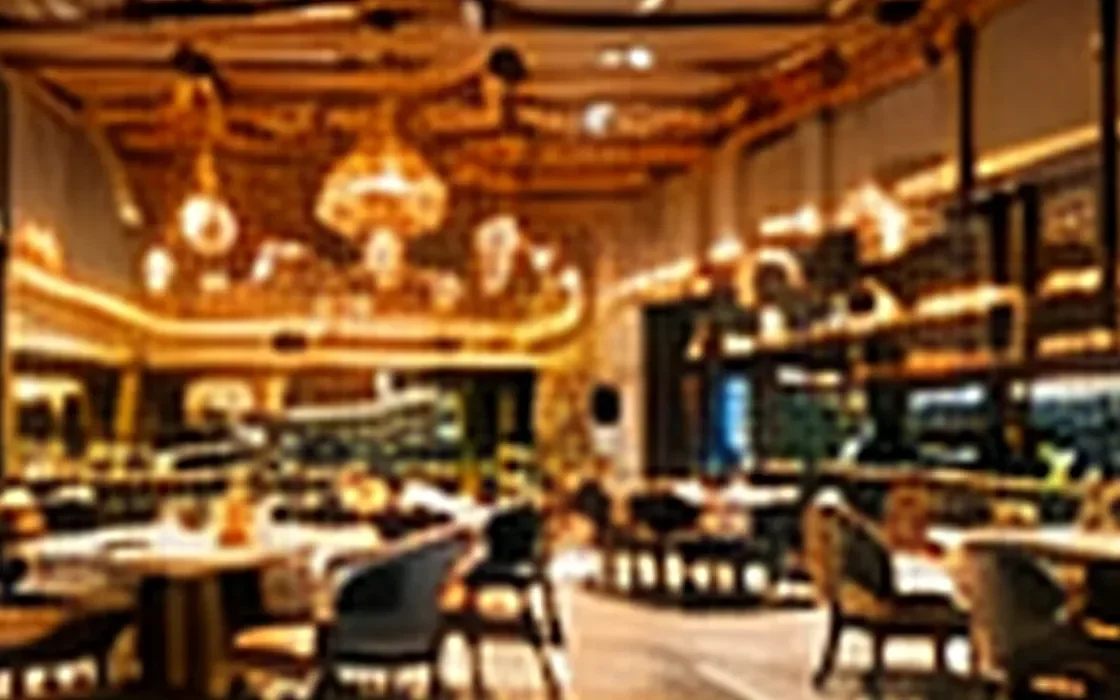
A restaurant interior design company in Bali is often asked to create an “Instagrammable” venue. That can be part of the commercial brief, but a compelling space must also survive daily spills, furniture movement, cleaning and staff turnover. Brand identity is stronger when material, lighting, seating and service tell one coherent story rather than relying on decorative props.
Create a distinctive restaurant interior that withstands daily cleaning, changing service hours and heavy circulation. Start with a defined brief, written responsibilities and a realistic review process rather than choosing by appearance alone.
Translate the food concept into space
Identify the cuisine, price point, guest occasion and desired length of stay. A relaxed neighbourhood restaurant may need flexible seating and a visible welcome; a special-occasion venue may need controlled privacy and more deliberate pacing. Use these differences to guide planning before colours and finishes.
Choose materials by wear and cleaning
Review tabletops, upholstery, chair glides, wall protection and floor slip characteristics. Ask the operator which cleaning agents and routines are used. Delicate natural textures can be incorporated selectively, but high-touch details should be practical to repair or replace.
Build repeatable brand cues
Consider one distinctive joinery detail, a carefully controlled palette and consistent lighting rather than applying graphics everywhere. Local craft can add depth when sourced respectfully and documented. Materials should remain consistent with the menu and service quality guests actually encounter.
Plan for a long operational life
Store spare upholstery and finish codes. Make seating components serviceable and plan for small layout changes. After opening, review wear patterns and guest feedback; the best interior can evolve without a full refurbishment every season.
What to review on the real project
After selecting the brand palette, build a sample table and one small seating arrangement. Let staff handle the chairs, wipe the surfaces and move trays through the proposed layout. The test should reveal whether the visual concept survives daily operation. Keep a record of matching materials, fabric sources and touch-up techniques. A recognisable restaurant identity comes from consistency across many real moments, not from a single decorative statement.
A practical project scenario
A Sanur restaurant selects pale upholstery throughout its banquettes. A cleaning trial reveals high maintenance, so the design retains the colour mood but uses a more practical, replaceable specification at high-contact areas.
How to apply this guidance
At the next project review, begin by asking the team to write a clear food and guest-experience brief. Then make time to test materials against cleaning routines. These are decisions that should be recorded in the brief or specification, not left as assumptions in a mood board. Before approving procurement or construction, use authentic, repeatable brand details and document replacement and maintenance parts. Give one person responsibility for documenting the agreed outcome, note open questions and update the programme if a decision changes. For a Bali property, confirm humidity, maintenance and service implications wherever relevant. This process keeps creative decisions traceable through installation and handover.
Client decision checklist
- Write a clear food and guest-experience brief
- Test materials against cleaning routines
- Use authentic, repeatable brand details
- Document replacement and maintenance parts
Frequently asked questions
What makes a Bali restaurant interior memorable?
A coherent experience across arrival, seating, service, lighting, materials and food presentation.
Can natural materials work in busy dining rooms?
Yes, when specifications, exposure, cleaning and repair are considered carefully.