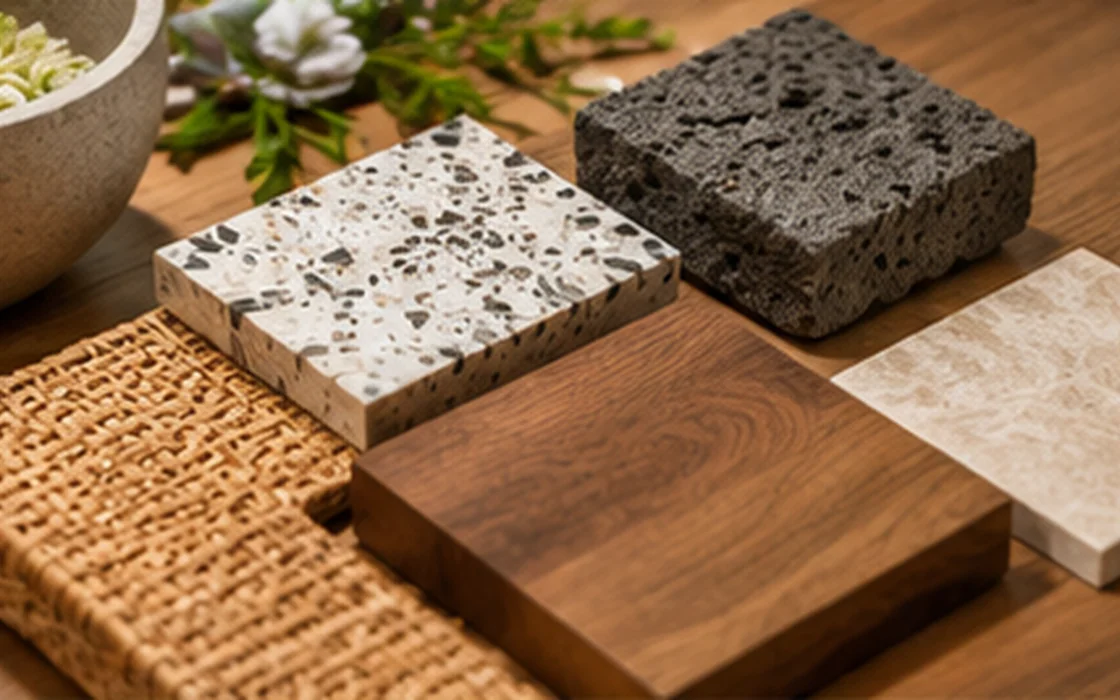
Working with a Bali interior design company can provide access to woodworkers, metal fabricators, textile suppliers and makers across the region. Local craft can give a project real character, but a handcrafted piece still needs measurable quality requirements. Furniture sourcing works best when the design, maker, installer and future operator share one specification.
How to brief furniture makers, approve samples and manage furniture procurement without losing design consistency. Start with a defined brief, written responsibilities and a realistic review process rather than choosing by appearance alone.
Translate inspiration into buildable details
Issue dimensions, drawings, intended finishes, upholstery requirements and expected use. A reference photograph rarely shows seat height, internal structure, hardware or joinery tolerances. Explain which dimensions are essential and where an artisan can propose alternatives. This preserves the craft contribution without sacrificing comfort or safety.
Review prototypes before repeated orders
For chairs, banquettes and beds, sample a representative unit or component. Test seating comfort, edge quality, wobble, fabric abrasion and cleaning access. Approving a prototype is especially valuable when producing multiple guestroom pieces, because a small error becomes expensive when repeated.
Track supply and responsibilities
Log maker contact, order quantity, deposit, material approval, completion target, transport and installation. Clarify who inspects damage on delivery and who is responsible for repairs. If an imported fitting is combined with local joinery, test the connection rather than assuming compatibility.
Make the finished collection maintainable
Record upholstery codes, replacement cushion dimensions and finishes so future repairs match. Choose materials suitable for intended cleaning routines. Consider using a limited family of wood tones, fabrics and details across rooms; the result feels coherent without making every piece identical.
What to review on the real project
Furniture procurement should include a receiving checklist: the right dimensions, finish colour, upholstery, stability, hardware and transport damage. For large orders, inspect one early unit before the rest is finished. Agree who replaces non-conforming pieces and who pays for re-delivery. Retain a clear inventory after handover. A thoughtfully sourced chair becomes far more valuable when the operator can order matching cushions or repair its finish several years later.
A practical project scenario
A boutique hotel orders twenty custom rattan-backed chairs from a beautiful photograph. A physical sample reveals a difficult-to-clean gap, so the maker revises the back before the full order begins.
How to apply this guidance
At the next project review, begin by asking the team to provide measured furniture drawings. Then make time to approve one representative prototype. These are decisions that should be recorded in the brief or specification, not left as assumptions in a mood board. Before approving procurement or construction, track delivery, inspection and defects and retain material codes for replacements. Give one person responsibility for documenting the agreed outcome, note open questions and update the programme if a decision changes. For a Bali property, confirm humidity, maintenance and service implications wherever relevant. This process keeps creative decisions traceable through installation and handover.
Client decision checklist
- Provide measured furniture drawings
- Approve one representative prototype
- Track delivery, inspection and defects
- Retain material codes for replacements
Frequently asked questions
Can local furniture be tailored to international standards?
Yes, provided performance and quality requirements are documented, reviewed and tested.
Is custom furniture always more expensive?
Not necessarily; price depends on quantities, specifications, maker capacity, materials and delivery responsibilities.