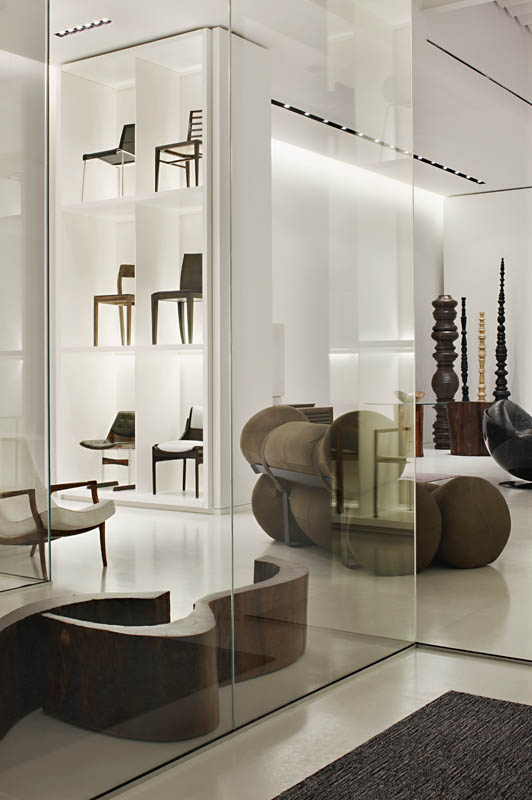
Interior Design in Bali: Commercial & Residential Innovation
When people think about Bali, they often picture beaches, resorts, and tropical villas. But behind this iconic image is a fast-evolving built environment shaped by tourism, creative industries, digital nomads, luxury hospitality, and a growing local middle and upper class. Interior design in Bali today is no longer about decoration alone—it is a strategic tool that responds to climate, culture, economics, and lifestyle.
This article explores unique interior design ideas to transform commercial and residential spaces in Bali, viewed through an analytical, context-driven lens. From hotels and restaurants to offices, villas, and apartments, we examine how interior design must intelligently respond to how Bali lives, works, hosts, and rests.
Understanding How Bali Lives, Works, and Experiences Space
Bali’s urban and semi-urban landscape is unlike major metropolitan cities. Development is decentralised, stretching across areas such as Seminyak, Canggu, Ubud, Sanur, Nusa Dua, and emerging zones in the north and west. Each area has a distinct rhythm:
-
Tourism-driven hospitality clusters with intense competition and seasonal demand
-
Creative and digital nomad communities seeking hybrid live-work environments
-
Luxury villa developments catering to international buyers and investors
-
Local residential compounds supporting multi-generational Balinese families
The tropical climate—high humidity, strong sun, monsoon rains—fundamentally shapes interior decisions. Ventilation, material durability, indoor–outdoor flow, and maintenance are not aesthetic choices; they are performance requirements.
Culturally, Balinese life is deeply social and spiritual. Ceremonies, offerings, and communal gatherings influence how space is used. Concepts like Tri Hita Karana—the balance between people, nature, and spirituality—still inform expectations of harmony and proportion.
In this context, an interior design company Bali must design spaces that are emotionally resonant, operationally efficient, and environmentally intelligent.
Designing Hotels that Reflect the Identity of Bali
Hospitality is Bali’s most competitive commercial sector. Hotels are no longer judged only by star ratings, but by experience differentiation.
High-performing hotel interiors in Bali focus on:
Guest Journey Mapping
From arrival sequence to private retreat, spatial planning must choreograph moments—arrival compression, visual release, framed views, and tactile transitions. Lobbies are no longer static reception spaces; they are social lounges, co-working zones, and brand statements.
Climate-Responsive Design
Open-air circulation, shaded courtyards, breathable materials, and passive cooling reduce reliance on mechanical systems. Interiors blur with landscape, creating a seamless resort experience.
Cultural Storytelling Without Pastiche
Rather than literal motifs, successful hotels reinterpret Balinese craft—carved timber, terrazzo, stone, woven textures—through contemporary forms. This avoids cliché while maintaining authenticity.
Operational Efficiency
Back-of-house planning, durable finishes, and maintenance-conscious detailing are critical in high-occupancy environments. Design that ignores operations quickly erodes profitability.
In Bali, hotel interior design is a balance between emotional escape and commercial performance.
High-Performance Workplace Design in Bali
While Bali is not a traditional CBD city, office design has grown rapidly due to startups, creative agencies, hospitality headquarters, and remote-first companies.
Workplace interiors in Bali must respond to:
Hybrid Work Culture
Many teams blend local staff with international collaborators. Spaces need flexibility—focus rooms, informal meeting areas, outdoor work zones, and adaptable layouts.
Wellbeing as a Baseline
Natural light, greenery, acoustic comfort, and visual calm are not “nice-to-haves”; they are expected. Offices compete with cafés, villas, and co-working hubs.
Brand Identity Through Space
In Bali, offices often double as client-facing environments. Interior design becomes a brand narrative, expressing values of creativity, sustainability, and openness.
Technology Integration
Reliable infrastructure, acoustic zoning for video calls, and adaptable meeting spaces are essential in a globally connected workforce.
Office interior design in Bali is about supporting productivity without sacrificing lifestyle.
Creating Social Destinations: Restaurants & Club Houses
Bali’s F&B and social scene is intensely competitive and visually driven. Restaurants, beach clubs, and club houses are not just places to eat—they are destinations designed for memory, photography, and return visits.
Key design drivers include:
Atmosphere Before Aesthetics
Lighting temperature, sound absorption, spatial rhythm, and airflow define comfort. A visually striking space that is acoustically uncomfortable will not succeed long-term.
Zoning and Flow
Clear transitions between bar, dining, lounge, and outdoor areas allow venues to adapt from daytime to night-time use.
Brand Storytelling
Successful venues communicate a clear identity—wellness-driven, luxury escapism, casual tropical, or avant-garde. Interior design translates that identity into spatial language.
Social Media Visibility
Design decisions increasingly consider sightlines, focal points, and layered lighting that photograph well without feeling artificial.
In Bali, restaurant and club house design directly influences dwell time, social sharing, and brand equity.
Designing Homes that Respond to the Way Bali Lives
Residential interior design in Bali spans a wide spectrum: compact apartments, luxury villas, bungalows, and multi-generational family homes.
Key residential considerations include:
Apartment vs Landed Living
Apartments require spatial efficiency, storage intelligence, and acoustic separation. Villas prioritise flow, privacy, and indoor–outdoor relationships.
Multi-Generational Use
Many homes accommodate extended families or frequent guests. Zoning for privacy, shared rituals, and flexible sleeping arrangements is essential.
Climate and Maintenance
Materials must withstand humidity and salt air. Natural stone, treated timber, lime plaster, and breathable finishes outperform synthetic alternatives over time.
Smart Home Integration
Lighting control, shading, security, and energy management improve comfort while supporting sustainability.
Residential interiors in Bali succeed when they feel effortless, calm, and deeply connected to nature.
Unique Interior Design Ideas We Implement in Bali
Rather than trends, these are context-driven strategies proven to perform in Bali:
Biophilic Integration
Interior courtyards, green walls, water elements, and framed landscape views improve thermal comfort and emotional wellbeing.
Adaptive Layouts
Sliding panels, operable walls, and modular furniture allow spaces to evolve with changing needs.
Layered Lighting Systems
Combining ambient, task, and accent lighting accommodates day-to-night transitions and reduces glare.
Material Contrast Strategy
Balancing raw and refined—stone with soft textiles, concrete with timber—creates depth while respecting tropical conditions.
Cultural-Modern Fusion
Abstracting local craft techniques into contemporary detailing avoids imitation while preserving identity.
Technology-Enhanced Experiences
Discreet integration of controls, acoustics, and AV enhances comfort without visual clutter.
Each idea is rooted in Bali’s environmental, cultural, and economic reality, not imported design trends.
Why Interior Design in Bali Requires Local Intelligence
Designing in Bali demands more than creativity. It requires:
-
Understanding zoning and height restrictions
-
Knowledge of local construction methods and supply chains
-
Sensitivity to cultural practices and community relationships
-
Climate literacy and material performance awareness
-
Experience coordinating international clients with local execution
An experienced interior design company Bali bridges global expectations with local realities, reducing risk and improving outcomes.
Our Design Approach
Our firm follows a structured, decision-led process:
-
Research & Site Analysis – Understanding context, climate, user behaviour
-
Concept & Spatial Strategy – Defining experience, flow, and identity
-
Visualisation & Detailing – Testing ideas through drawings and 3D studies
-
Technical Coordination – Aligning design with structure, MEP, and buildability
-
Execution & Control – Managing quality, timeline, and cost
-
Styling & Handover – Completing spaces that are ready to live, work, and perform
This process ensures design intent translates into real-world performance.
Transform Your Commercial or Residential Space in Bali
Whether shaping a hotel experience, a productive workplace, a social destination, or a private home, interior design in Bali must be strategic, contextual, and future-ready.
If you are exploring how thoughtful design can transform your space, our firm offers insight-driven consultation grounded in deep local intelligence and global standards—helping you create environments that truly belong in Bali.
Connect with us in