For coastal properties in Bali, responsible finish selection means choosing materials suited to salt, sunlight, moisture and maintenance. Longevity, repairability and transparent sourcing can matter more than a sustainability label in a product brochure.
Map every surface by exposure zone; Request verified performance and sourcing data; Detail joints, edges and fasteners.
Define exposure before choosing the palette
A sheltered air-conditioned room differs from an open balcony or poolside corridor. Map direct spray, high humidity, sun, cleaning frequency and contact with wet clothing. Avoid applying the same material schedule to every zone simply for visual consistency. Ask suppliers for data relevant to the actual exposure conditions and seek technical advice for high-risk assemblies.
Compare products on useful criteria
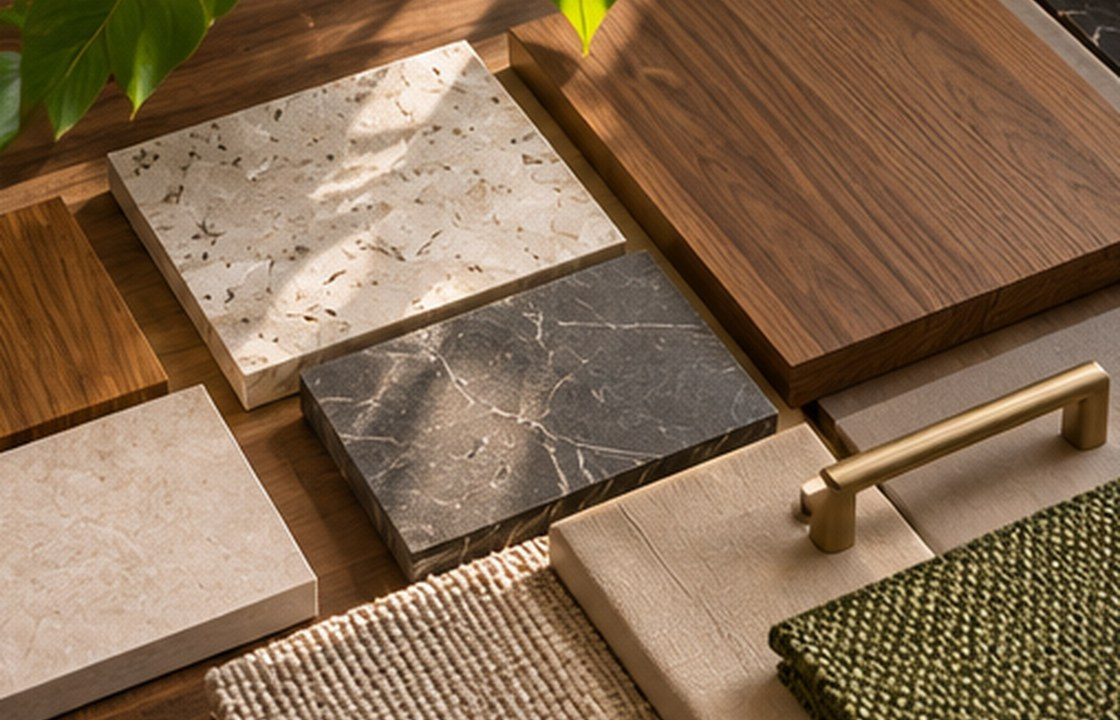
Consider expected service life, replacement availability, maintenance chemistry, documented material origin and how components can be repaired. A durable finish with modest appearance may offer better long-term value than a fashionable fragile surface. Be cautious about unverified environmental marketing claims; request credible documentation where performance or sustainability is important.
Design details to reduce avoidable failure
Joints, edges, fasteners and moisture transitions can determine whether a finish lasts. Allow access for inspection and avoid assemblies that trap water. Coordinate substrate choice and installation methods, especially for timber-like materials and metal fittings. Request mock-ups of exposed details rather than approving colour samples alone.
Create a manageable replacement plan
Even carefully selected finishes will eventually need service. List suppliers, product codes, spare quantities and cleaning methods in the handover file. Choose modular or easily repaired components where frequent wear is expected. Operators should understand which finishes need special care and which can tolerate routine cleaning products.
Separate environmental claims from product appearance
Recycled-looking textures or green colours do not prove a material is lower impact. Ask for documentation supporting the specific claim and avoid general statements that cannot be substantiated. Explain the real reasons for a selection in project records.
Coordinate a maintenance review with the operator
Facilities teams often know which finishes fail around pool edges, sea-facing openings and high-use corridors. Ask them to review the schedule before procurement. Their experience can help select a restrained palette with stronger long-term performance.
How this could work in Bali
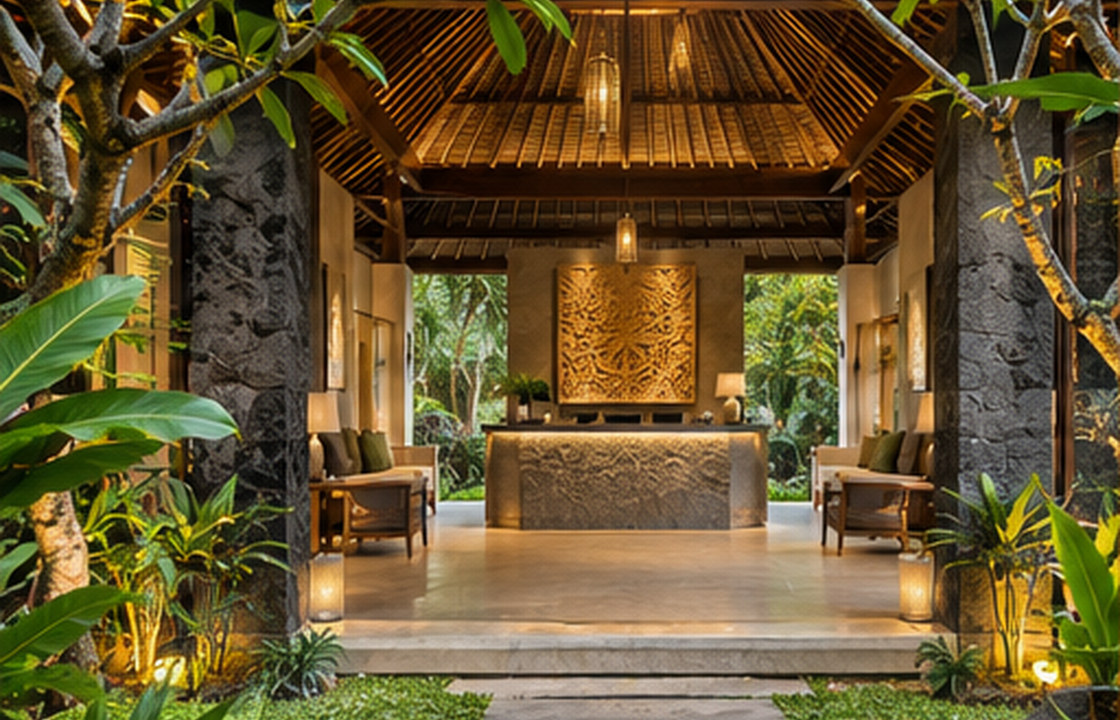
A small seaside resort near Jimbaran might use a hard-wearing neutral floor as its main backdrop and reserve a more delicate locally sourced material for a protected feature wall. This preserves character while limiting exposure.
Balance experience and operation
The cheapest first-cost option can be expensive over its life, while an expensive product is not automatically sustainable. Assess use, repair and credible sourcing together.
Practical review checklist
- Map every surface by exposure zone
- Request verified performance and sourcing data
- Detail joints, edges and fasteners
- Test cleaning methods on samples
- Record repair and replacement instructions
Turn this checklist into a coordinated review with the owner, operator, designers and relevant technical specialists. Confirm which items belong to the appointed scope before drawings, procurement or construction are authorised.
Frequently asked questions
What materials are best for a Bali coastal interior?
No single material is universally best. Selection depends on exact exposure, maintenance, performance evidence and installation details.
Does natural material always mean sustainable?
No. Consider sourcing, durability, treatment, transport and how the material will be maintained and replaced.
Why are details so important in humid interiors?
Edges, joints and penetrations can allow water to enter an assembly even when the visible surface itself is durable.
Moving from idea to a clear brief
A useful next step is to collect photographs of the existing site, a measured plan where available, an outline of users and operations, target timing and the decisions that remain open. A design consultation can then focus on scope, priorities and technical interfaces before materials and furniture are ordered. Local permissions and specialist requirements should be checked with appropriately qualified advisers.
Explore Interior Design Bali’s expertise, browse the project collection, or begin a project conversation.