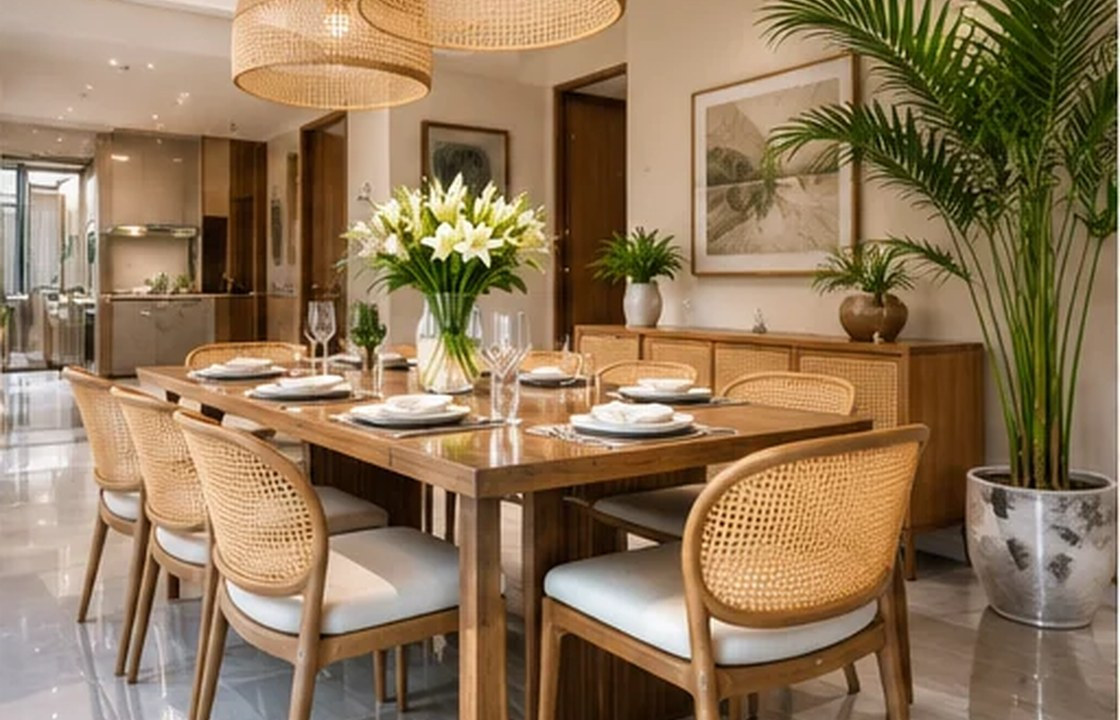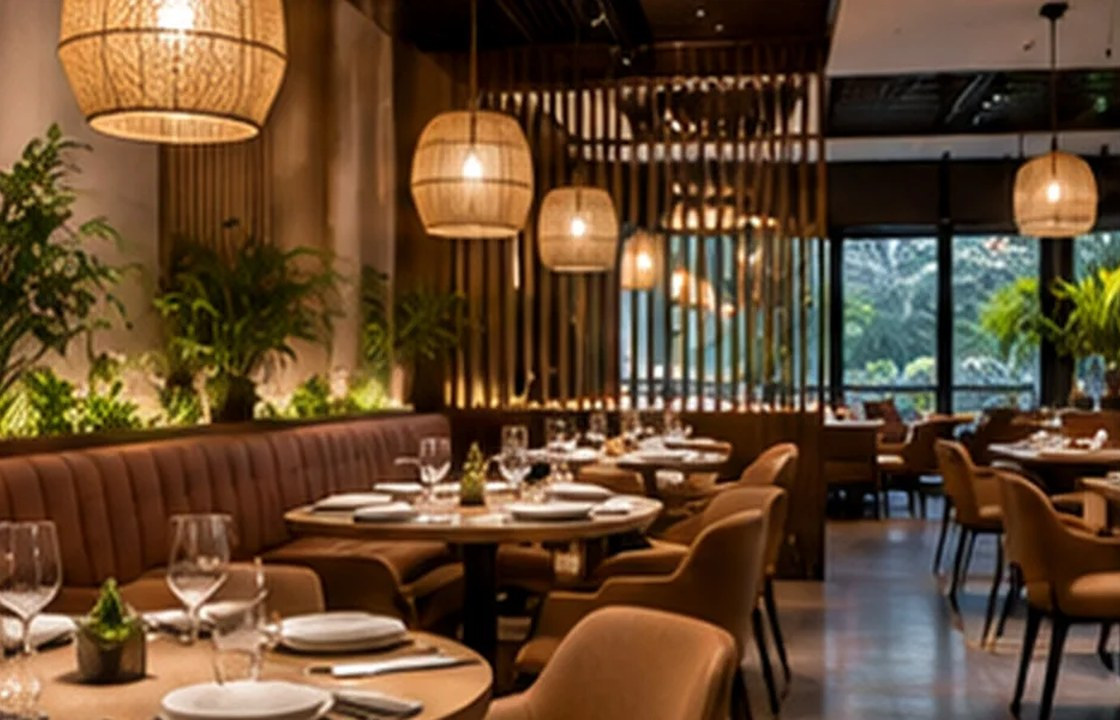
A Bali restaurant that operates across the day benefits from adjustable lighting scenes. Daylight, dining-table illumination, paths and decorative character should be designed together so the restaurant remains comfortable at lunch and atmospheric after sunset.
Observe natural light at operating hours; Test table light with actual chairs and menus; Separate dining and staff task circuits.
Start with real service hours
Observe the space at opening, midday and late evening. Glazing, covered terraces and garden edges can create strong changes in natural light. Determine where staff need clear task illumination and where guests expect softer light. Write a small set of operating scenes for preparation, lunch, dinner and closing rather than relying on a complicated control interface.
Put dining faces and food in flattering light
A pendant over each table may look orderly but can leave faces in shadow or shine into guests’ eyes. Consider a combination of indirect ambient light and careful table lighting. Test the scheme with actual table heights, menus and tableware. Decorative fittings should support the restaurant identity without obstructing conversation, service movement or cleaning.
Differentiate circulation from mood
An intimate dining experience still requires safe, legible movement to tables, washrooms and exits. Coordinate step and path lighting with the relevant safety design. Do not force guests to use phone flashlights to read menus. Keep service stations sufficiently illuminated without making them the visual focus of the entire dining room. A lighting plan is both a guest experience and an operational tool.
Specify a maintainable system
Dimming compatibility, control locations and access to drivers should be confirmed before fittings are ordered. Bulbs and drivers that can be obtained locally reduce downtime. Record the approved settings and train staff on how to switch scenes. Test a sample dining area at night; colour and glare often behave differently than expected from product data or renderings.
Include the terrace in the lighting strategy
Outdoor dining should be a deliberate extension of the interior lighting system. Consider reflections from windows, neighbouring properties and safe movement to the washroom. Avoid a bright interior that makes exterior tables feel gloomy by comparison, or vice versa.
Give staff practical control
Overly sophisticated lighting controls may be bypassed during service. Provide clear, labelled scenes and confirm what happens after a power interruption. Simple systems, reliably used, often deliver more consistent atmosphere than complex ones with no operating guide.
How this could work in Bali
A Seminyak restaurant with garden seating could use a lighter daytime scene, restrained illumination for sunset dining and gentle path lighting after dark. Staff should be able to change the mood with a simple, clearly labelled control.
Balance experience and operation
Dramatic darkness can look stylish in photography but fail in daily service. Keep visual comfort, menu legibility and safe circulation as non-negotiable requirements.
Practical review checklist
- Observe natural light at operating hours
- Test table light with actual chairs and menus
- Separate dining and staff task circuits
- Confirm dimmers and replacement components
- Document scenes for operations
Turn this checklist into a coordinated review with the owner, operator, designers and relevant technical specialists. Confirm which items belong to the appointed scope before drawings, procurement or construction are authorised.
Frequently asked questions
What lighting is best for a restaurant in Bali?
Layered, controllable lighting that supports meals, staff tasks and safe circulation across different times of day.
Should all dining tables have pendants?
Not necessarily. The right solution depends on seating geometry, sightlines, ceiling height and glare.
Why should the operator test lighting before opening?
A real evening mock-up shows whether guests can read, staff can work and the intended atmosphere feels comfortable.
Moving from idea to a clear brief
A useful next step is to collect photographs of the existing site, a measured plan where available, an outline of users and operations, target timing and the decisions that remain open. A design consultation can then focus on scope, priorities and technical interfaces before materials and furniture are ordered. Local permissions and specialist requirements should be checked with appropriately qualified advisers.
Explore Interior Design Bali’s expertise, browse the project collection, or begin a project conversation.