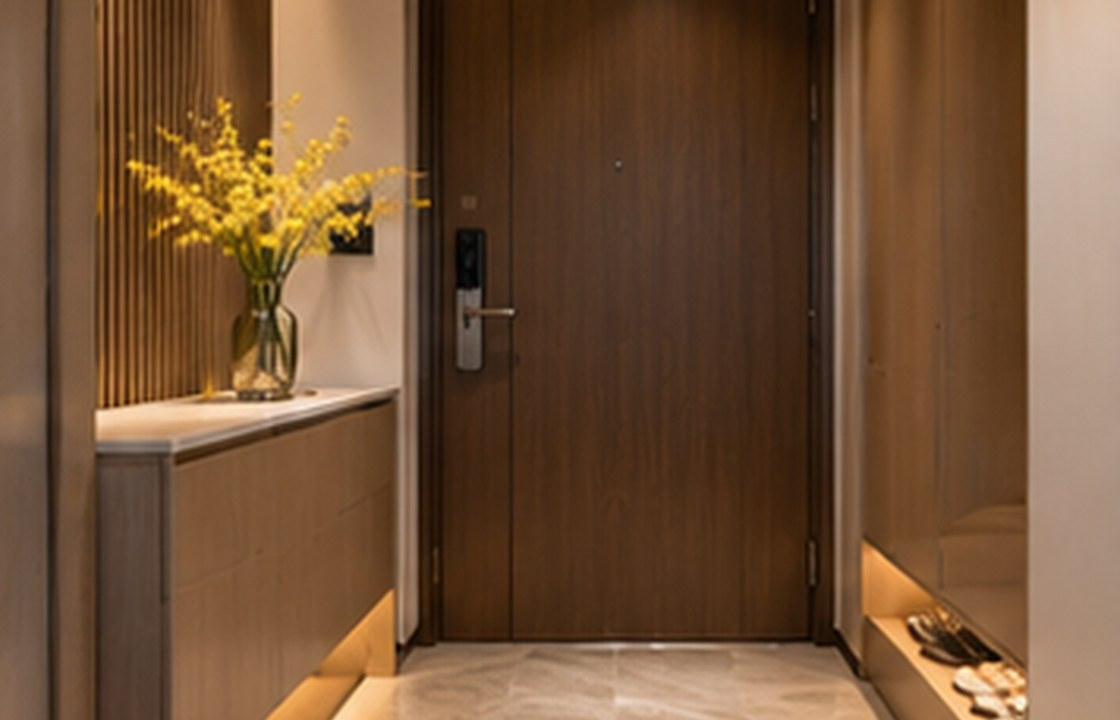
A strong interior renovation handover gives Bali property owners clear records, outstanding-work tracking and practical operating knowledge. A beautiful final walk-through is only one part of a useful completion process.
Check against approved scope and drawings; Record defects with photos and owners; Collect manuals, warranties and as-built files.
Agree what complete means before work begins
A handover should be based on the agreed scope, approved drawings, specifications and contractual milestones. Confirm what counts as an outstanding item, how defects are recorded and who is responsible for closing them. Do not assume all approvals, warranties or testing certificates are included unless they are explicitly required. Align expectations with the designer, contractor and operator early.
Inspect room by room and system by system
Check visual finishes alongside doors, hardware, lighting scenes, ventilation controls, plumbing access and installed furniture. Use a consistent room schedule with photographs, locations and priorities. Distinguish a cosmetic touch-up from a safety or operational issue. Where specialist testing is needed, rely on the qualified professional rather than a general visual inspection.
Collect usable operating documentation
Owners and facilities teams need more than PDF drawings stored in an email thread. Assemble approved as-built information where applicable, equipment manuals, finish care instructions, supplier contacts, spare parts and warranties. Confirm which documents are final and where they will be stored. Teach the operator how to use controls and maintain any unusual feature.
Plan the transition into operation
A resort may need staff training, room setup, procurement reconciliation and a period to resolve issues before opening. Assign responsibility for each remaining item and a realistic follow-up method. Photograph approved furniture layouts and signage positions. Keep guest-facing areas from opening with known unresolved hazards or critical operating problems.
Create a single reliable document index
Project documents frequently spread across messaging apps, email and drawings. A controlled index identifying the latest approved version can save time at handover. Keep digital access clear for the person who will operate the building, not only for the project designer.
Separate handover from post-opening support
Some issues are discovered only after rooms or public areas are used. Define the reporting method, response responsibilities and any contractual defect period rather than assuming handover ends all obligations. A clear transition protects everyone involved.
How this could work in Bali
For a renovated Seminyak boutique property, the owner can review a digital room-by-room punch list with photographs, signed technical records and simple maintenance guides. That is more useful than relying only on a celebratory final tour.
Balance experience and operation
Pressure to open quickly can hide unfinished issues. A clearly agreed handover sequence reduces uncertainty and protects the relationship among owner, operator and project team.
Practical review checklist
- Check against approved scope and drawings
- Record defects with photos and owners
- Collect manuals, warranties and as-built files
- Train staff on controls and maintenance
- Track closure of outstanding items
Turn this checklist into a coordinated review with the owner, operator, designers and relevant technical specialists. Confirm which items belong to the appointed scope before drawings, procurement or construction are authorised.
Frequently asked questions
What is an interior renovation handover checklist?
A structured record of completed work, remaining defects, required documents, operating instructions and the parties responsible for follow-up.
Should owners sign off with outstanding issues?
That depends on the contract and severity of the issues. Critical safety and operating matters should be resolved with qualified advice before occupancy.
What is the most frequently overlooked handover item?
Clear operating and maintenance information for lighting, equipment, finishes and custom joinery—not just a list of visible touch-ups.
Moving from idea to a clear brief
A useful next step is to collect photographs of the existing site, a measured plan where available, an outline of users and operations, target timing and the decisions that remain open. A design consultation can then focus on scope, priorities and technical interfaces before materials and furniture are ordered. Local permissions and specialist requirements should be checked with appropriately qualified advisers.
Explore Interior Design Bali’s expertise, browse the project collection, or begin a project conversation.