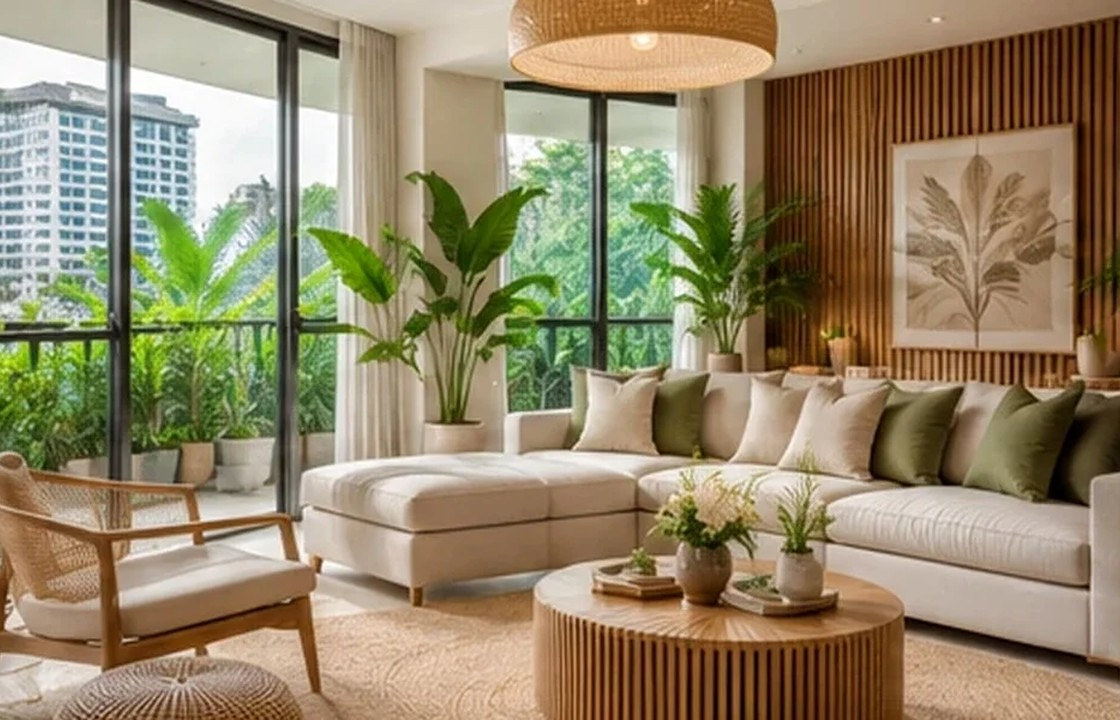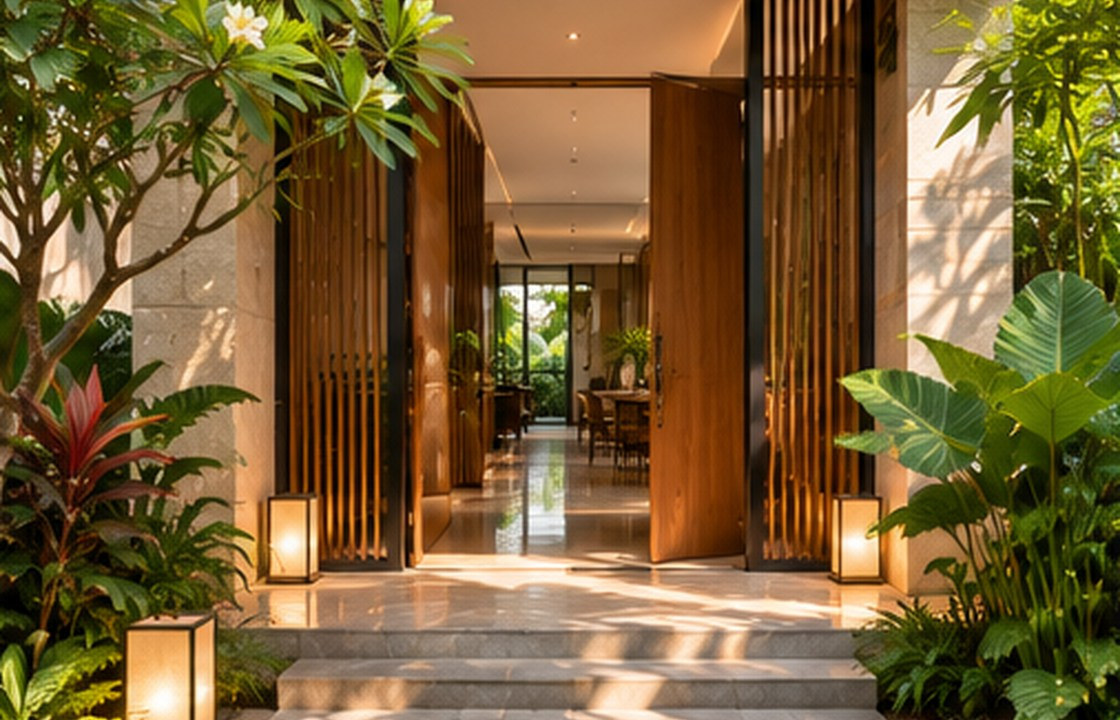
An appealing Bali poolside lounge must be designed for water, sunlight and guest movement. Furniture placement, shade, floor safety and easy maintenance make the space useful beyond a single resort photograph.
Map wet routes and drainage; Check shade at likely occupied hours; Confirm outdoor product specifications.
Separate wet circulation from lounging
Observe the path from pool steps to towels, showers and seating. People often move while wet and carrying drinks or bags. Plan enough clear circulation around loungers, especially where the terrace narrows. Keep equipment and service access separate from relaxed guest zones where possible. Discuss slip performance and drainage with the project’s qualified technical specialists.
Make shade a design component
A pool terrace can be beautiful and still be unusable at midday. Study shade from existing buildings, trees and structures at realistic times. Some guests prefer sun while others seek a sheltered place to read. Combine fixed shade with flexible options when appropriate, considering wind exposure and safe anchoring. Do not depend entirely on young planting for immediate comfort.
Specify outdoor materials with care
Some natural materials degrade rapidly when repeatedly wet or exposed to strong sunlight. Verify the outdoor suitability of fabrics, fasteners, frames and finishes with suppliers. Consider salt air at coastal sites and how cushions are stored. Select a limited range of replacement-friendly materials, so the property does not need a bespoke replacement order whenever an item wears out.
Consider evening use and service
Guests may use the poolside space for quiet conversation after sunset. Provide subtle, safe path lighting and a place for refreshments without forcing staff through a narrow lounge cluster. Check sightlines from guestrooms and neighbouring properties. The design should feel private and comfortable without creating dark corners or poorly defined edges.
Integrate towels and wet belongings
Guests need a convenient place to place towels, footwear and small possessions. Put these details close to the pool route but out of the main walking line. Consider how towels are collected and whether furniture blocks housekeeping access.
Work with landscape maintenance
Plant roots, irrigation, falling leaves and shade patterns change over time. Coordinate the deck edge and outdoor lighting with landscaping so the lounge remains usable when plants mature. A realistic landscape maintenance plan supports the quality of the interior-adjacent space.
How this could work in Bali
At a coastal villa in Jimbaran, a shaded daybed area placed just back from the wet pool edge can offer more year-round value than adding more loungers directly beside the water.
Balance experience and operation
Every extra lounge seat increases furnishing and maintenance demands. Give priority to spacing, shade and safe routes rather than fitting the maximum number of pieces into a small deck.
Practical review checklist
- Map wet routes and drainage
- Check shade at likely occupied hours
- Confirm outdoor product specifications
- Plan cushion storage and servicing
- Review night routes and privacy
Turn this checklist into a coordinated review with the owner, operator, designers and relevant technical specialists. Confirm which items belong to the appointed scope before drawings, procurement or construction are authorised.
Frequently asked questions
What is the best furniture for a Bali poolside lounge?
Furniture designed for the actual climate exposure, with comfortable proportions and components that can be cleaned and repaired.
Why is shade important beside a pool?
Shade increases the range of times a lounge can be comfortably used and protects certain materials from unnecessary exposure.
Can indoor furniture be used outdoors under a roof?
Only when its specification and exposure conditions permit. Sheltered terraces can still receive moisture, wind and sunlight.
Moving from idea to a clear brief
A useful next step is to collect photographs of the existing site, a measured plan where available, an outline of users and operations, target timing and the decisions that remain open. A design consultation can then focus on scope, priorities and technical interfaces before materials and furniture are ordered. Local permissions and specialist requirements should be checked with appropriately qualified advisers.
Explore Interior Design Bali’s expertise, browse the project collection, or begin a project conversation.