Art and craft galleries need lighting that reveals the work accurately and protects the viewing experience. Flexible beam placement, glare control, daylight management and display proportions usually matter more than ornate luminaires.
Measure artwork and display requirements; Test reflections from multiple sightlines; Review daylight and sensitive objects.
Start from the objects and display plan
Large paintings, small ceramics and textured textiles respond differently to light. Record object sizes, mounting heights, viewing distances and any conservation requirements. Some pieces may be sensitive to light exposure and require specialist advice. Plan a flexible display system so new exhibitions do not need major electrical changes.
Control reflections and shadow
Glass frames and glossy ceramics can reflect bright fittings or windows. Test the angle from typical customer positions. Track lighting may offer flexibility, but it needs careful aiming and coordination with the ceiling. Avoid casting deep shadows across textured work unless it is an intentional, approved part of the display. A mock-up with representative pieces is more valuable than a lighting diagram alone.
Let daylight support rather than dominate
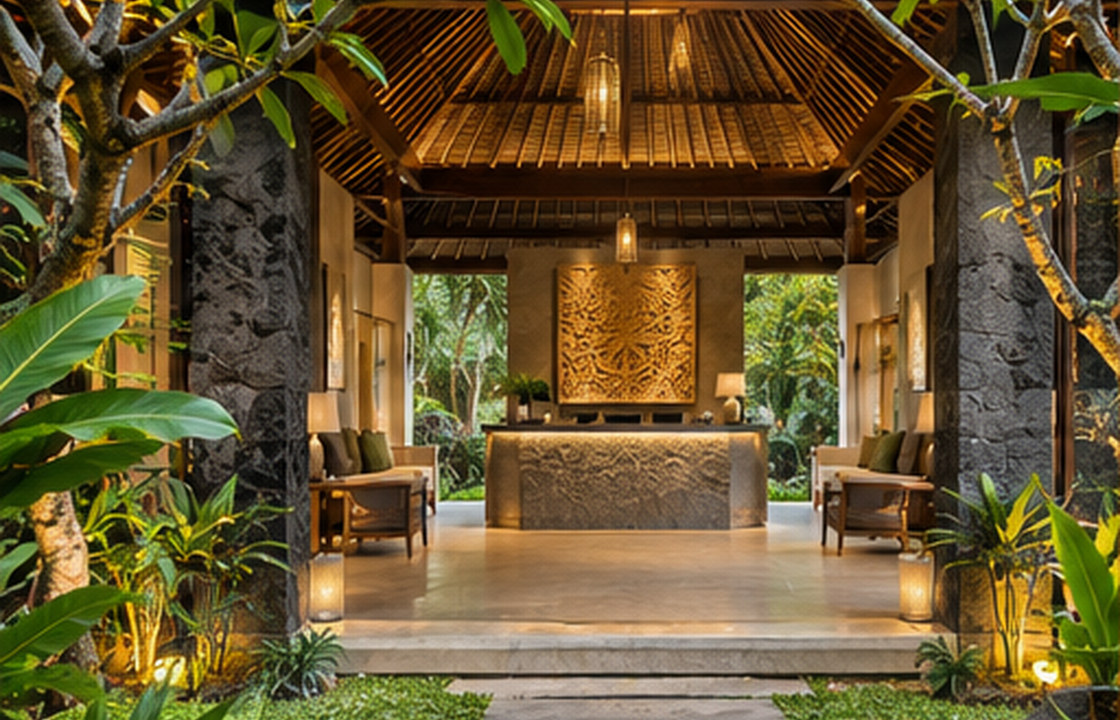
Natural light can connect a Bali gallery to its setting, but changing daylight alters colour perception and may expose sensitive objects. Use filters, shading or display locations appropriate to the works. Keep windows and entrances comfortable for customers. Consider how the gallery looks after sunset when all emphasis depends on artificial light.
Give visitors room to observe
Allow space for people to stop without blocking others, particularly at narrow shelves or detailed displays. Consider seating if the format supports longer viewing. Locate labels so they can be read without leaning dangerously close to objects. Storage, packaging and point-of-sale operations must remain discreet and accessible to staff.
Discuss object handling and security
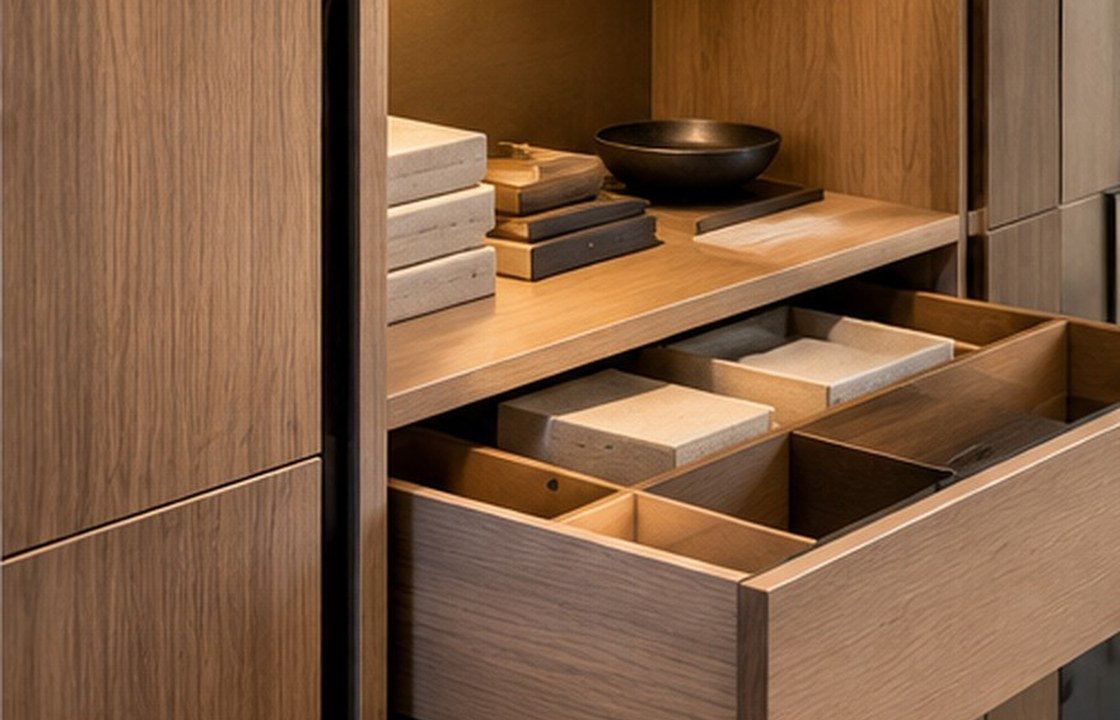
Display stands, cases and shelving should respect the size, weight and fragility of actual objects. Confirm appropriate protection and staff handling access. A delicate item may need a secure case even when an open plinth would look more visually striking.
Keep display labels genuinely helpful
Labels should be concise, readable and placed where guests can view them without crowding the artwork. If artisan provenance or cultural significance is mentioned, verify the claim with the maker or curator. Clear information strengthens trust in a retail setting.
How this could work in Bali
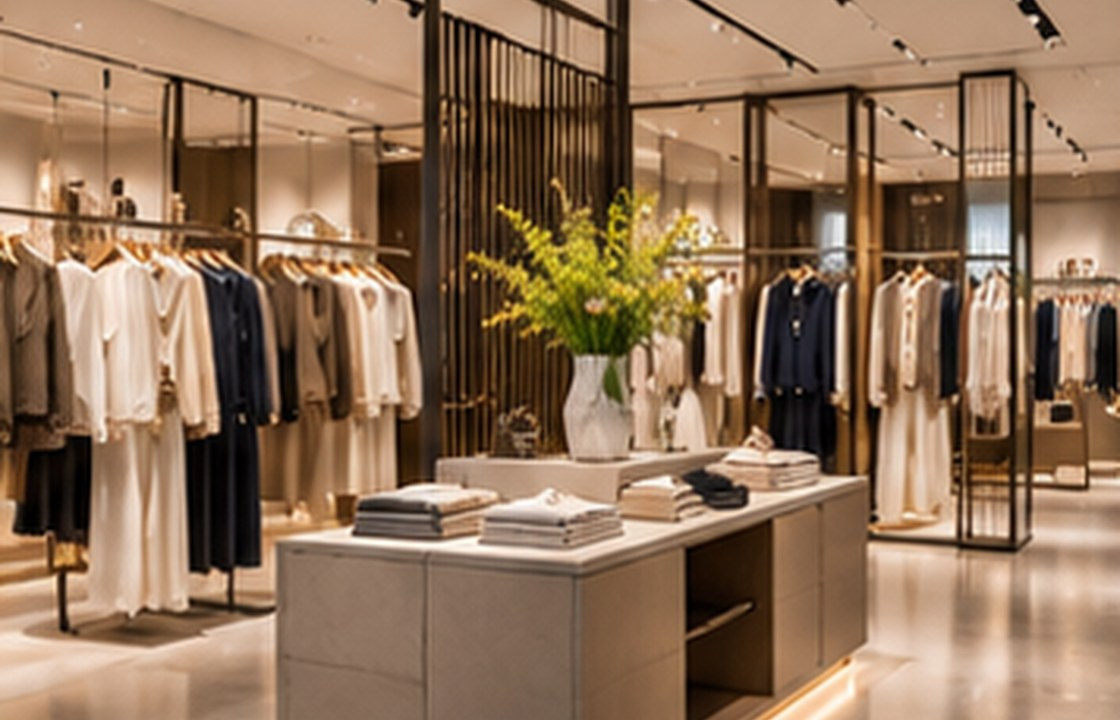
An Ubud craft gallery displaying carved timber and ceramic objects could pair adjustable light with simple neutral walls and varied plinth heights. This allows the objects to remain visually dominant while the collection changes.
Balance experience and operation
Dramatic spotlighting can create emphasis, but excessive contrast makes neighbouring pieces difficult to appreciate. Aim for consistent visual comfort and flexibility.
Practical review checklist
- Measure artwork and display requirements
- Test reflections from multiple sightlines
- Review daylight and sensitive objects
- Provide flexible mounting and lighting
- Check visitor stopping and circulation space
Turn this checklist into a coordinated review with the owner, operator, designers and relevant technical specialists. Confirm which items belong to the appointed scope before drawings, procurement or construction are authorised.
Frequently asked questions
What lighting is best for a Bali art gallery?
It depends on the materials, conservation requirements and display plan. Flexible, glare-controlled systems are often useful.
Can sunlight damage artwork?
Some materials are sensitive to light exposure; seek conservation or supplier guidance for vulnerable works.
How should a gallery allow for changing exhibitions?
Use adaptable display positions, lighting circuits and clear circulation so the room does not need rebuilding for each collection.
Moving from idea to a clear brief
A useful next step is to collect photographs of the existing site, a measured plan where available, an outline of users and operations, target timing and the decisions that remain open. A design consultation can then focus on scope, priorities and technical interfaces before materials and furniture are ordered. Local permissions and specialist requirements should be checked with appropriately qualified advisers.
Explore Interior Design Bali’s expertise, browse the project collection, or begin a project conversation.