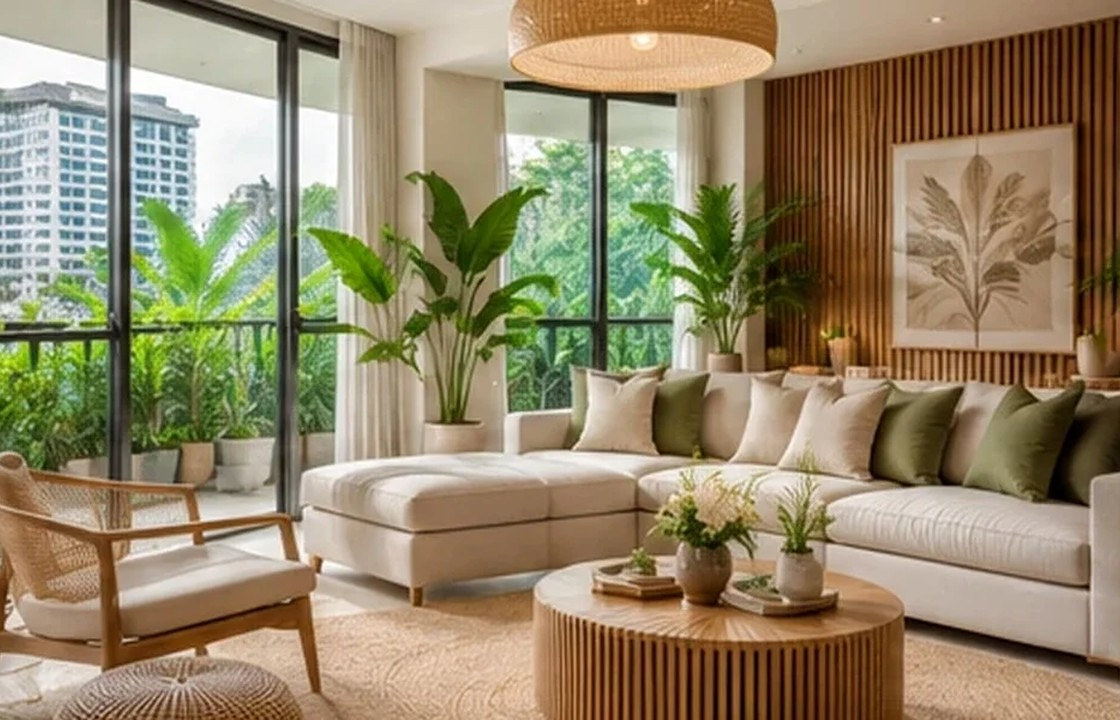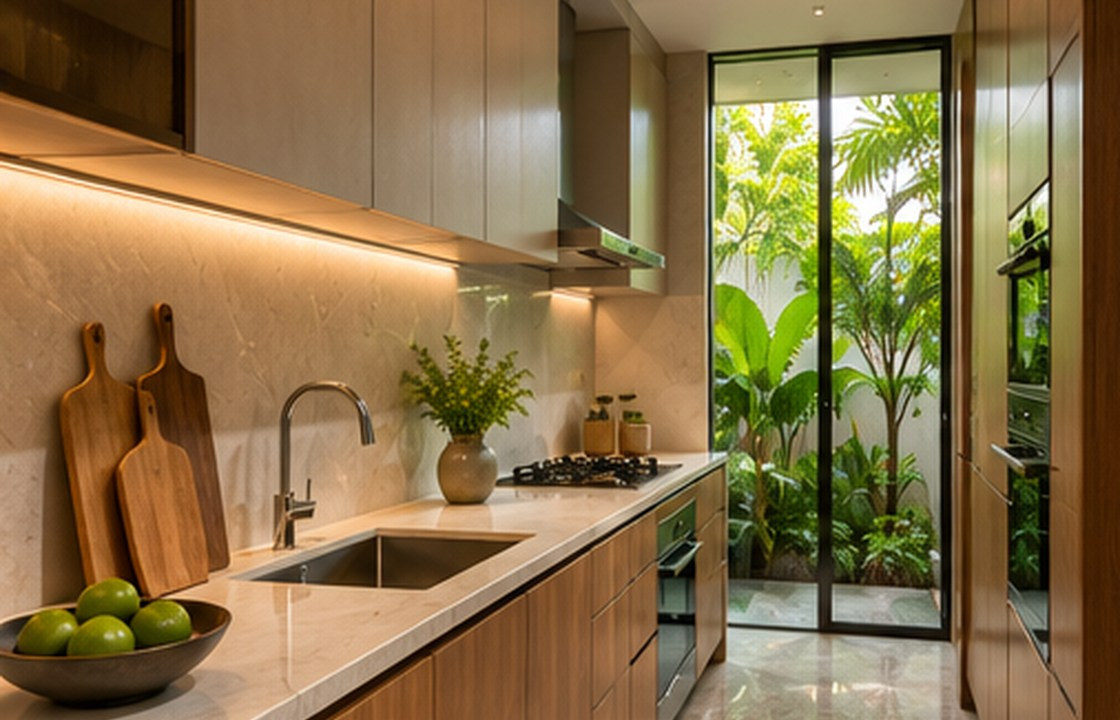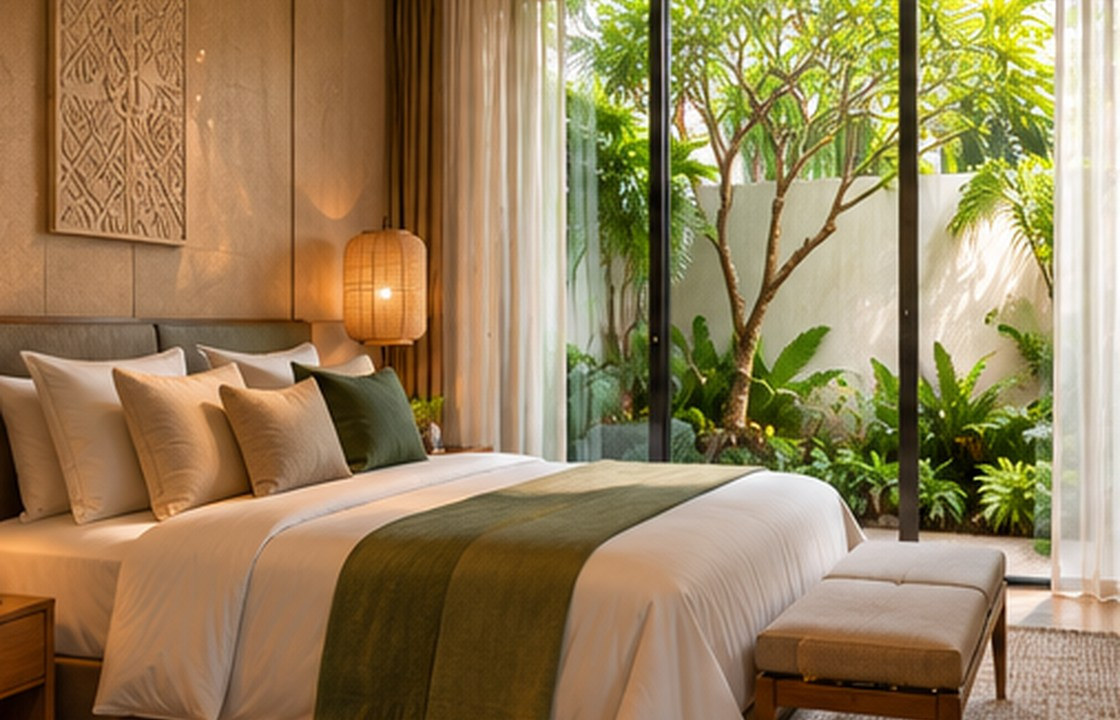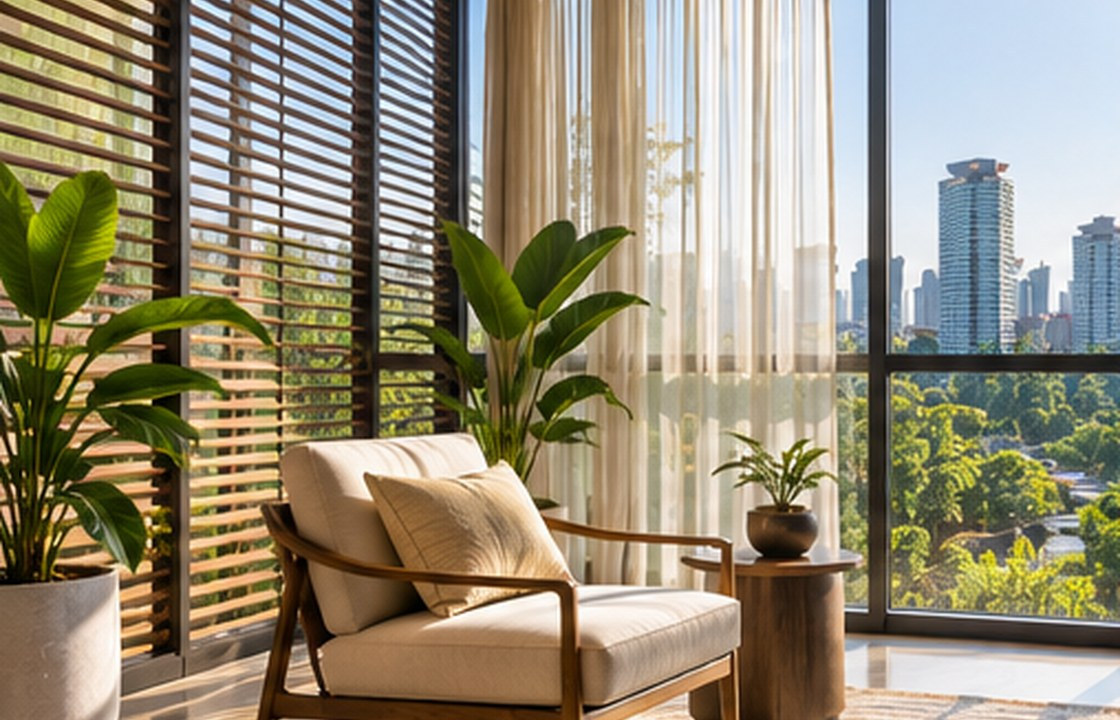
For exposed Bali cliffside villas, daylight needs to be composed—not simply maximised. Interior Design Bali can work with shade, furniture placement, glass choice and lighting to enjoy expansive views without uncomfortable glare or heat.
Photograph sun and glare at several hours; Test finishes in strong natural light; Coordinate screens with facade design.
Study the sun from real viewpoints
An ocean view may face strong low-angle light at particular hours. Review sun positions through the day and across seasons, then test where guests sit, sleep and work. A large glazing wall that performs beautifully at sunrise may be uncomfortable later. Consider a combination of covered terrace, exterior shading and flexible internal blinds rather than one universal solution.
Use surfaces that do not amplify glare
Highly polished floors and bright stone can reflect sunlight across a room. Matte or softly textured finishes may feel calmer where daylight is intense. Test samples beside the glazing, not only in a showroom. Think about television placement, mirror locations and dining pendants. The aim is visual comfort while preserving the quality of natural light.
Coordinate cooling with the architecture
Curtain tracks, shading screens and glazing details affect interior proportions and mechanical coordination. Plan them early with the architect and technical team. A great-looking interior can become difficult to operate if the guest must close heavy curtains all afternoon. Where glazing decisions are outside the interior scope, document interfaces and assumptions clearly.
Keep the view available after dark
After sunset, bright internal reflections may turn windows into mirrors. Reduce unnecessary light directed at glazing and use layered interior lighting to create a welcoming evening atmosphere. Consider safe access to balconies and level changes. Night-time room mock-ups can reveal reflections and glare that daytime photos hide.
Control reflections on screens and artwork
Bright coastal views can make television screens and polished surfaces hard to use. Position reflective artwork and monitors carefully, and test the conditions at likely viewing times. This may justify a different seating orientation rather than an elaborate blind system.
Check terrace furniture as part of the interior plan
Covered terraces often extend the living room socially. Use related materials and proportions while adapting construction and fabrics to outdoor exposure. The threshold should support both indoor conversation and the movement of people returning from the pool or garden.
How this could work in Bali
At an Uluwatu property, a deep terrace, light-filtering screen and sofa orientation may let guests enjoy the ocean while avoiding direct afternoon glare. The same interior should be checked again after dark to understand reflections.
Balance experience and operation
The trade-off is between a fully transparent facade and control over heat, light and privacy. Retain the best views where they matter most and provide flexible shading elsewhere.
Practical review checklist
- Photograph sun and glare at several hours
- Test finishes in strong natural light
- Coordinate screens with facade design
- Review cooling and window coverings
- Mock up day and night lighting
Turn this checklist into a coordinated review with the owner, operator, designers and relevant technical specialists. Confirm which items belong to the appointed scope before drawings, procurement or construction are authorised.
Frequently asked questions
Do larger windows always improve villa interiors?
No. Large glazing is valuable when paired with comfort, shade, privacy and an appropriate furniture layout.
Can curtains alone solve glare?
They can help, but external shade, screen positioning, surface finishes and furniture orientation may reduce the problem more effectively.
How do you preserve the view at night?
Use layered, lower-glare interior lighting and avoid directing bright fixtures toward the glass.
Moving from idea to a clear brief
A useful next step is to collect photographs of the existing site, a measured plan where available, an outline of users and operations, target timing and the decisions that remain open. A design consultation can then focus on scope, priorities and technical interfaces before materials and furniture are ordered. Local permissions and specialist requirements should be checked with appropriately qualified advisers.
Explore Interior Design Bali’s expertise, browse the project collection, or begin a project conversation.