A successful Bali boutique interior makes merchandise easy to understand while expressing a credible sense of place. The retail journey, display flexibility, lighting and product protection should come before decorative motifs.
Map the customer path from entrance to checkout; Use real product sizes for display planning; Confirm authenticity of craft references.
Clarify what the store is selling
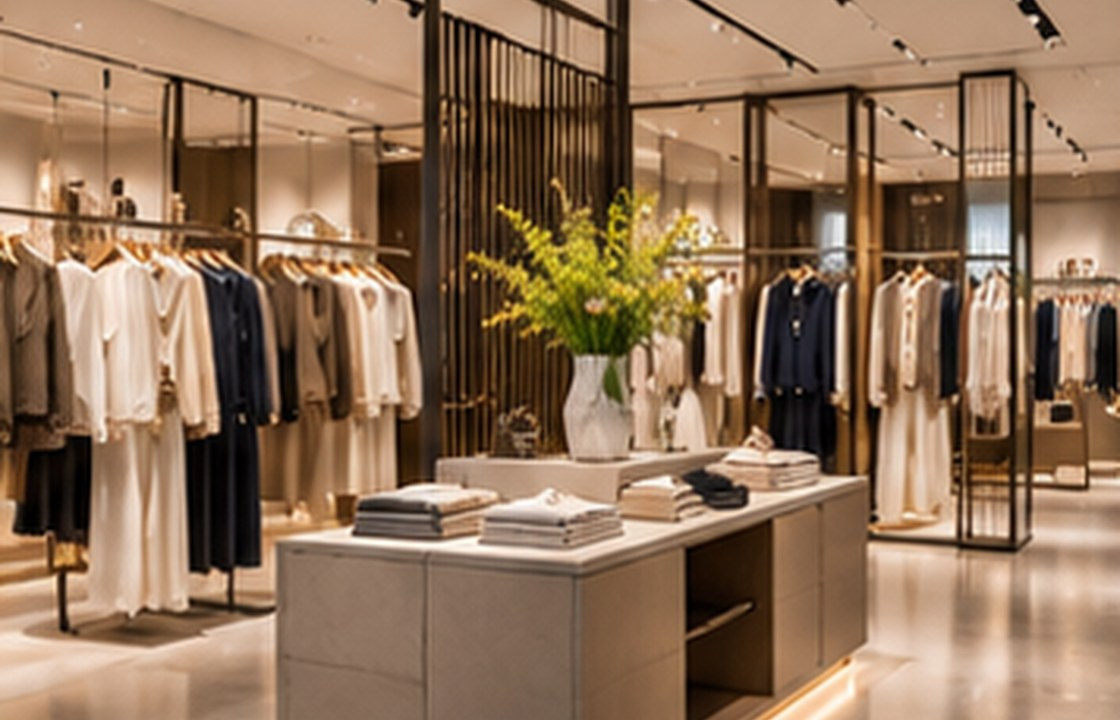
A resort clothing boutique, ceramics gallery and lifestyle shop need different sightlines and display heights. Identify hero products, frequent purchase items and goods that require assistance. Plan a clear first impression and a route that lets customers browse naturally. Avoid placing the highest-value products where staff cannot supervise or serve customers comfortably.
Use displays that adapt to changing stock
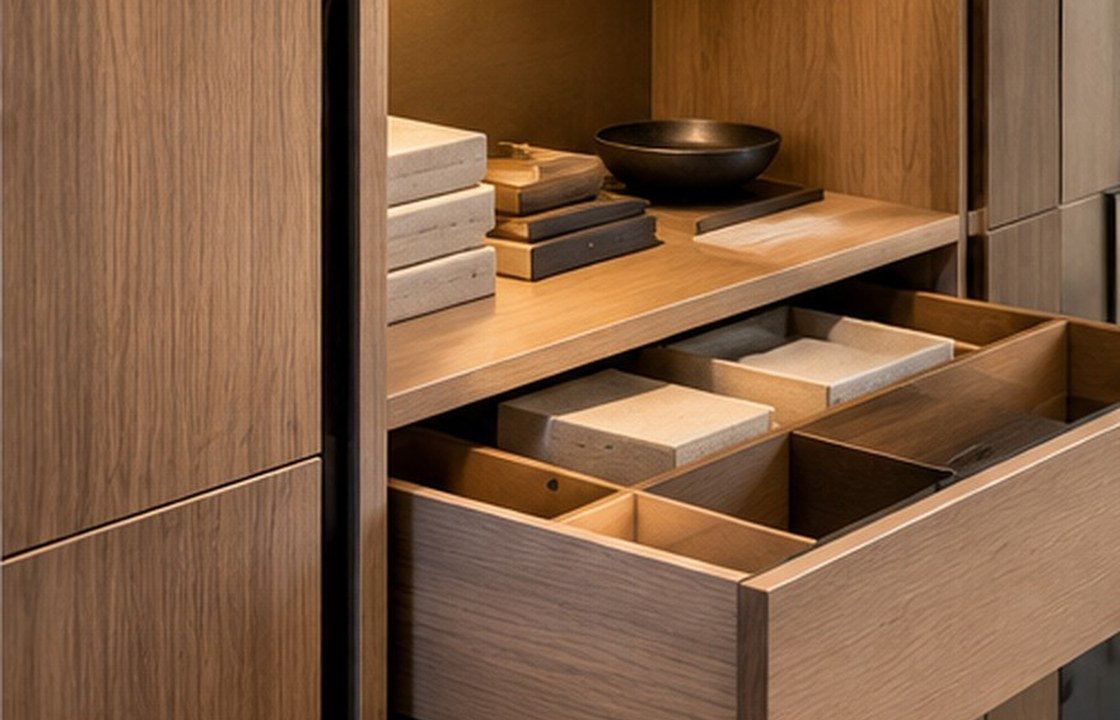
Seasonal product mixes change, particularly in visitor-led destinations. Modular rails, shelves and display plinths can retain a coherent visual identity without forcing a full refurbishment. Check the actual sizes and weights of products. Confirm that display fittings are stable, easy to clean and simple for staff to rearrange.
Make local craft meaningful, not decorative shorthand
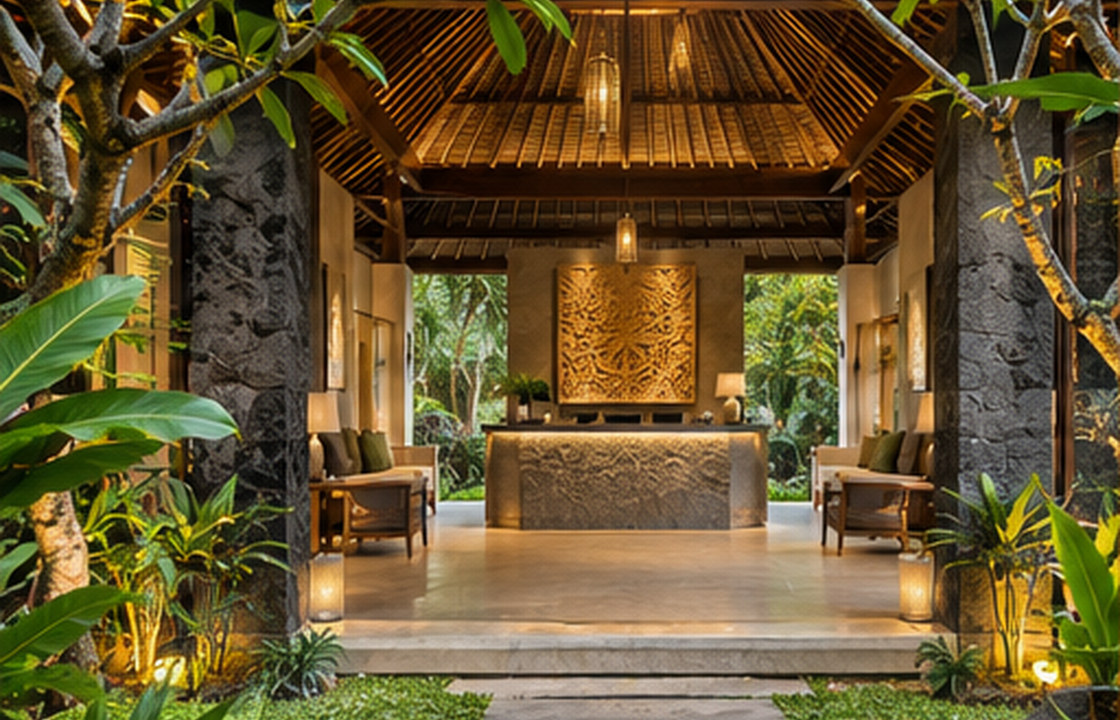
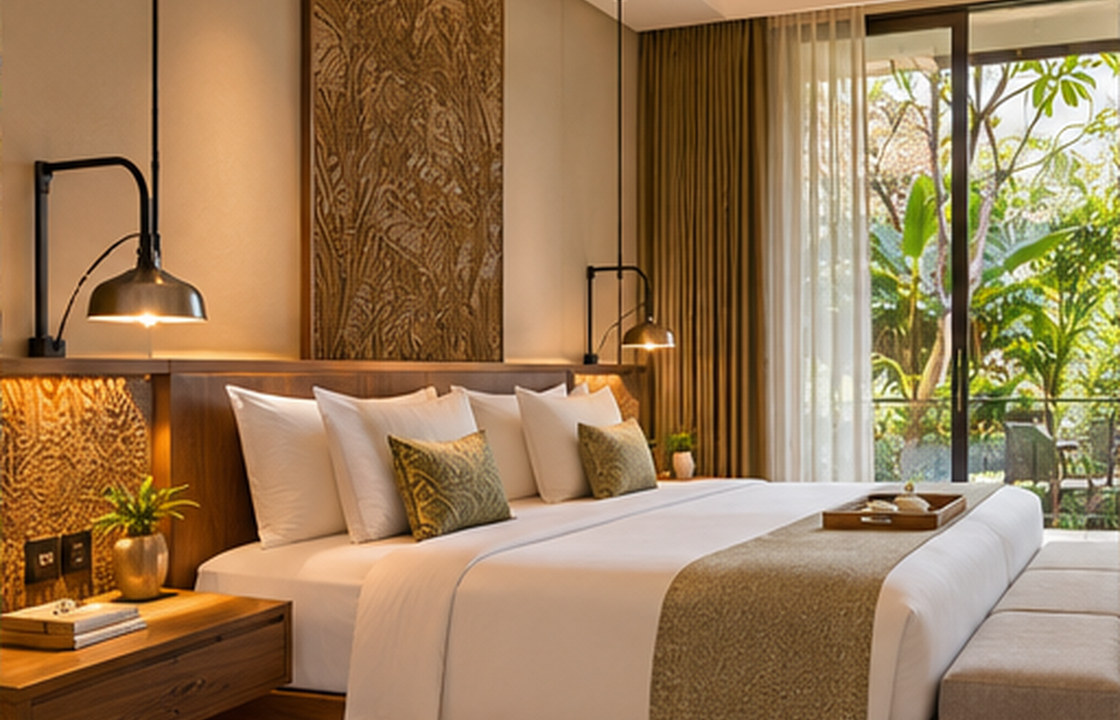
Bali’s material and craft traditions can inform the space, but provenance and maker relationships should be understood before claims are made. Consider where a handmade texture genuinely supports the brand story and where clean, durable fixtures should remain simple. Avoid overcrowding the store with motifs that compete with merchandise. Let product and craftsmanship remain the focus.
Support service, checkout and accessibility
Customers need understandable circulation, a visible service point and appropriate changing or consultation areas. Plan the queue without blocking display access. Lighting should show colour and texture accurately while limiting glare. Coordinate security, storage and back-of-house returns with the operator so the store works on busy days as well as in photographs.
Treat photography and browsing as separate needs
A dramatic shop window is important, but shoppers need clear product information, appropriate mirrors and comfortable browsing distances. Check the store under daytime sunlight and evening lighting. Make sure decorative lighting does not distort garment or product colours.
Support stockroom replenishment
A boutique with perfect display shelves can still fail when boxed stock and packaging have nowhere to go. Plan discreet, accessible storage and a practical replenishment path. This allows staff to keep the front of house calm even during busy periods.
How this could work in Bali
A small Seminyak lifestyle boutique might use one strong handmade timber display wall with flexible neutral shelving elsewhere. This keeps the visual identity distinct while allowing products to change throughout the year.
Balance experience and operation
Immersive interiors can build brand recognition, but overly elaborate permanent fixtures reduce merchandising freedom. Choose expressive details that do not restrict the product range.
Practical review checklist
- Map the customer path from entrance to checkout
- Use real product sizes for display planning
- Confirm authenticity of craft references
- Test flexible fixtures and lighting
- Provide staff storage and safe circulation
Turn this checklist into a coordinated review with the owner, operator, designers and relevant technical specialists. Confirm which items belong to the appointed scope before drawings, procurement or construction are authorised.
Frequently asked questions
How do you make a Bali boutique stand out?
Combine a clear product story, flexible displays, good service circulation and authentic material choices.
Are custom display fixtures always necessary?
No. Modular fixtures can be more practical when stock changes frequently, with a few custom elements carrying the identity.
What should be planned before shop lighting?
Product types, display positions, customer movement and the desired colour and texture presentation.
Moving from idea to a clear brief
A useful next step is to collect photographs of the existing site, a measured plan where available, an outline of users and operations, target timing and the decisions that remain open. A design consultation can then focus on scope, priorities and technical interfaces before materials and furniture are ordered. Local permissions and specialist requirements should be checked with appropriately qualified advisers.
Explore Interior Design Bali’s expertise, browse the project collection, or begin a project conversation.